A Guide to Community Electrification: Success Stories from Australia


Understanding Community Electrification
Community electrification is the process of bringing electricity to rural or remote communities that lack access to reliable power. This initiative not only improves quality of life but also boosts economic development. In Australia, several projects have successfully implemented electrification solutions, offering valuable insights into best practices and innovative approaches.
Australia's vast landscapes and diverse climates pose unique challenges for electrification projects. However, through collaboration and advanced technology, many communities have achieved remarkable results. These success stories serve as a beacon for other regions aiming to enhance their energy accessibility.
Innovative Approaches to Electrification
Solar Power Integration
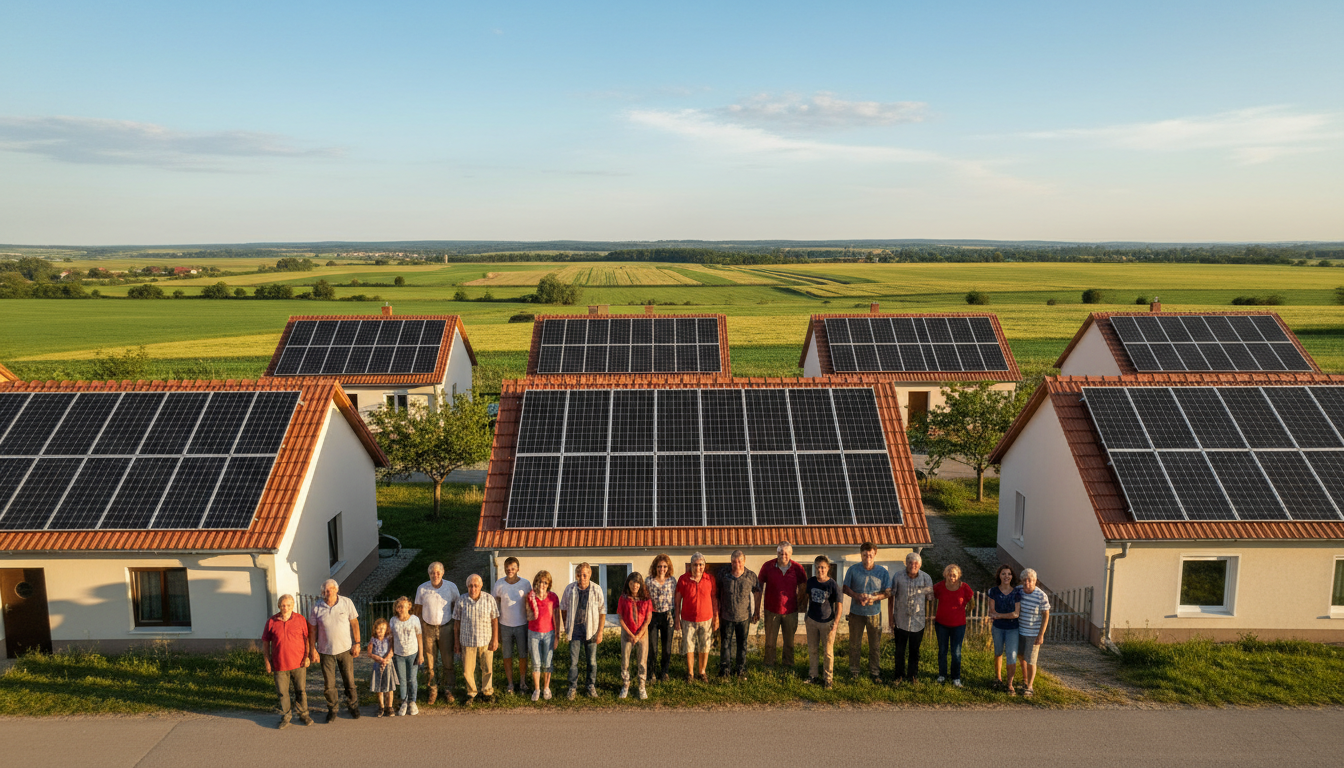
Solar power has emerged as a key player in community electrification across Australia. Utilizing abundant sunlight, communities have installed solar panels to generate clean energy. This approach not only reduces reliance on fossil fuels but also provides a sustainable and cost-effective solution for remote areas.
In the Northern Territory, for example, a collaborative project installed solar microgrids in several Indigenous communities, resulting in reduced energy costs and increased energy independence. This model is now being replicated in other parts of the country.
Wind Energy Solutions
In regions where solar power is less feasible, wind energy offers an effective alternative. Coastal and high-altitude areas in Australia have harnessed wind turbines to generate electricity, providing consistent power supply regardless of weather fluctuations.
The Hepburn Wind project in Victoria stands out as a community-owned initiative that not only generates power but also reinvests profits back into the community, supporting local projects and initiatives. This model emphasizes the potential of renewable energy to foster community development.

Challenges and Solutions
Infrastructure and Maintenance
Building and maintaining infrastructure in remote areas can be challenging. Projects often face logistical issues and high transportation costs. However, leveraging local expertise and resources has proven effective in overcoming these hurdles.
Training local technicians to manage and maintain electrification systems ensures sustainability and empowers communities. This approach reduces dependency on external support and fosters skill development within the community.
Funding and Policy Support
Securing funding and policy backing is crucial for the success of electrification projects. In Australia, government grants and partnerships with private sectors have played a significant role in facilitating these initiatives.
Programs like the Australian Renewable Energy Agency (ARENA) provide financial support, enabling communities to explore innovative solutions and implement them effectively. Continued advocacy for supportive policies remains essential to expand these efforts.

The Future of Community Electrification
The success stories from Australia highlight the transformative power of community electrification. As technology evolves and awareness grows, more communities can harness these solutions to improve their quality of life.
By sharing knowledge and experiences, regions worldwide can learn from Australia's achievements and adopt strategies that best suit their unique environments. The journey towards universal electrification is ongoing, but with continued collaboration and innovation, it is an attainable goal.