Comprehensive Guide to Current Trends in Community Electrification Projects


Introduction to Community Electrification
Community electrification projects are transforming the way energy is accessed and utilized in underserved areas. These projects aim to provide reliable and sustainable electricity to communities that have been historically off-grid. As technology advances and awareness increases, new trends are emerging that shape the future of these initiatives.
Renewable Energy Integration
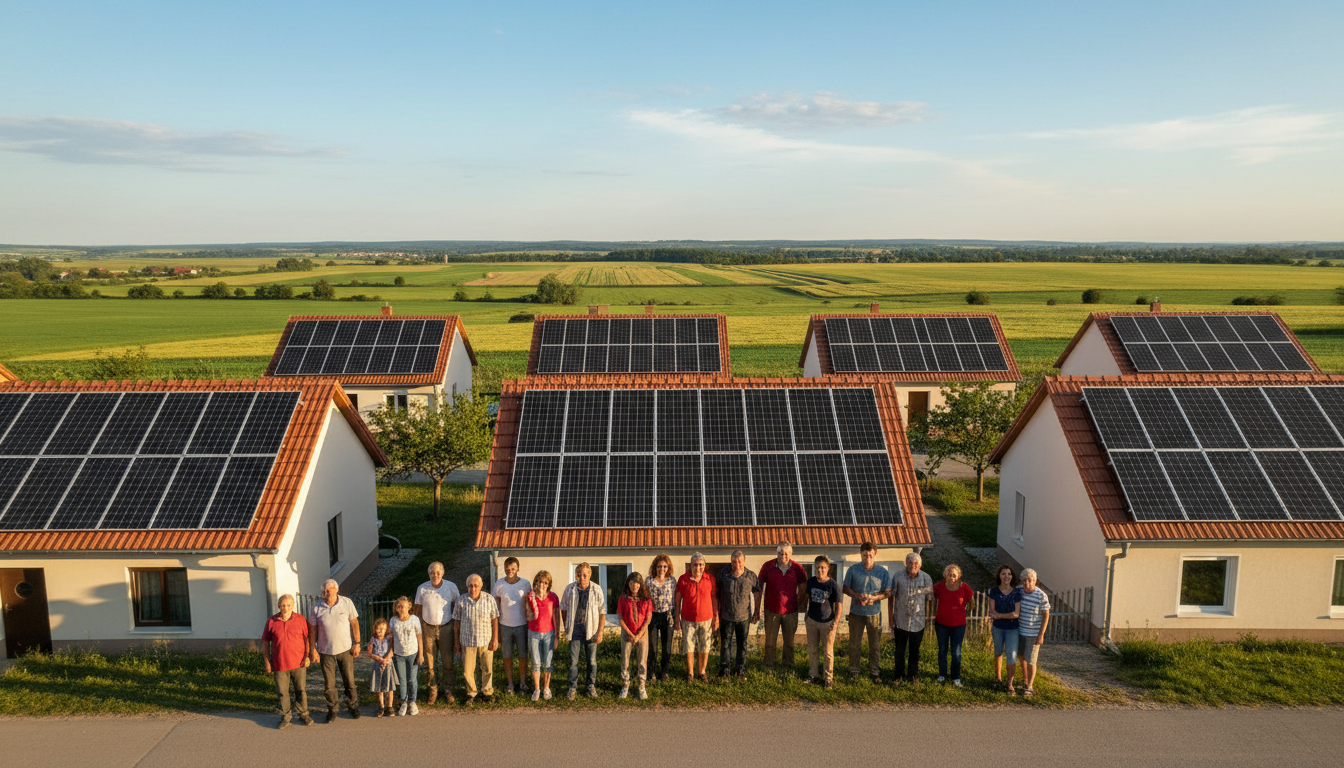
The integration of renewable energy sources is at the forefront of current community electrification trends. Solar, wind, and hydroelectric power are increasingly being utilized to provide clean and sustainable energy. These sources not only reduce reliance on fossil fuels but also empower communities to become energy independent.
Solar Power Solutions
Solar power remains a popular choice due to its scalability and affordability. Advances in solar panel technology have made it possible for communities to harness energy even in less sunny regions. Solar microgrids are particularly effective in remote areas, providing a localized and resilient power supply.

Smart Grid Implementation
Smart grids are transforming the management and distribution of electricity within communities. By utilizing advanced technology, smart grids enhance the efficiency and reliability of power networks. They enable real-time monitoring, which helps in predicting and preventing outages.
Benefits of Smart Grids
Implementing smart grids allows for better demand management and integration with renewable sources. Consumers can enjoy reduced energy costs and improved service reliability. Moreover, smart grids facilitate energy trading within communities, promoting economic growth.

Community Involvement and Empowerment
Successful electrification projects depend heavily on community involvement. Educating and empowering local populations ensures that they can maintain and manage their energy systems effectively. This participatory approach leads to lasting benefits and community ownership.
Training and Education Programs
Training programs are essential for equipping community members with the skills needed to operate and maintain new technology. These initiatives also raise awareness about energy conservation and sustainable practices, fostering a culture of environmental responsibility.
Innovative Financing Models
Financing remains a critical component in the deployment of community electrification projects. Innovative models such as pay-as-you-go systems and microfinancing are making it easier for communities to invest in energy infrastructure. These models lower the financial barriers and encourage wider adoption.

Public-Private Partnerships
Collaborations between governments, private companies, and non-profit organizations are driving the success of electrification projects. These partnerships leverage resources and expertise, ensuring projects are both economically viable and socially beneficial.
Conclusion
The trends in community electrification are paving the way for a more sustainable and equitable energy future. By embracing renewable energy, smart technologies, and innovative financing, communities worldwide are gaining access to reliable electricity. As these projects continue to evolve, their impact on global energy access and environmental sustainability will be profound.