Debunking Myths About Community Energy Projects


Understanding Community Energy Projects
Community energy projects are gaining traction as communities seek sustainable and local solutions to energy needs. However, several myths can cloud public perception. By debunking these myths, we can better understand the potential and benefits of these projects.
Myth 1: Community Energy Projects Are Too Expensive
One common misconception is that community energy projects are prohibitively expensive. While initial investments can be significant, these projects often offer long-term savings and financial benefits. Many initiatives are supported by grants, subsidies, and community funding models that make them accessible and economically viable for participants.
Furthermore, the cost of renewable energy technologies like solar panels and wind turbines has decreased significantly over the past decade, making these projects more affordable than ever before.
Myth 2: Only Rural Areas Can Benefit
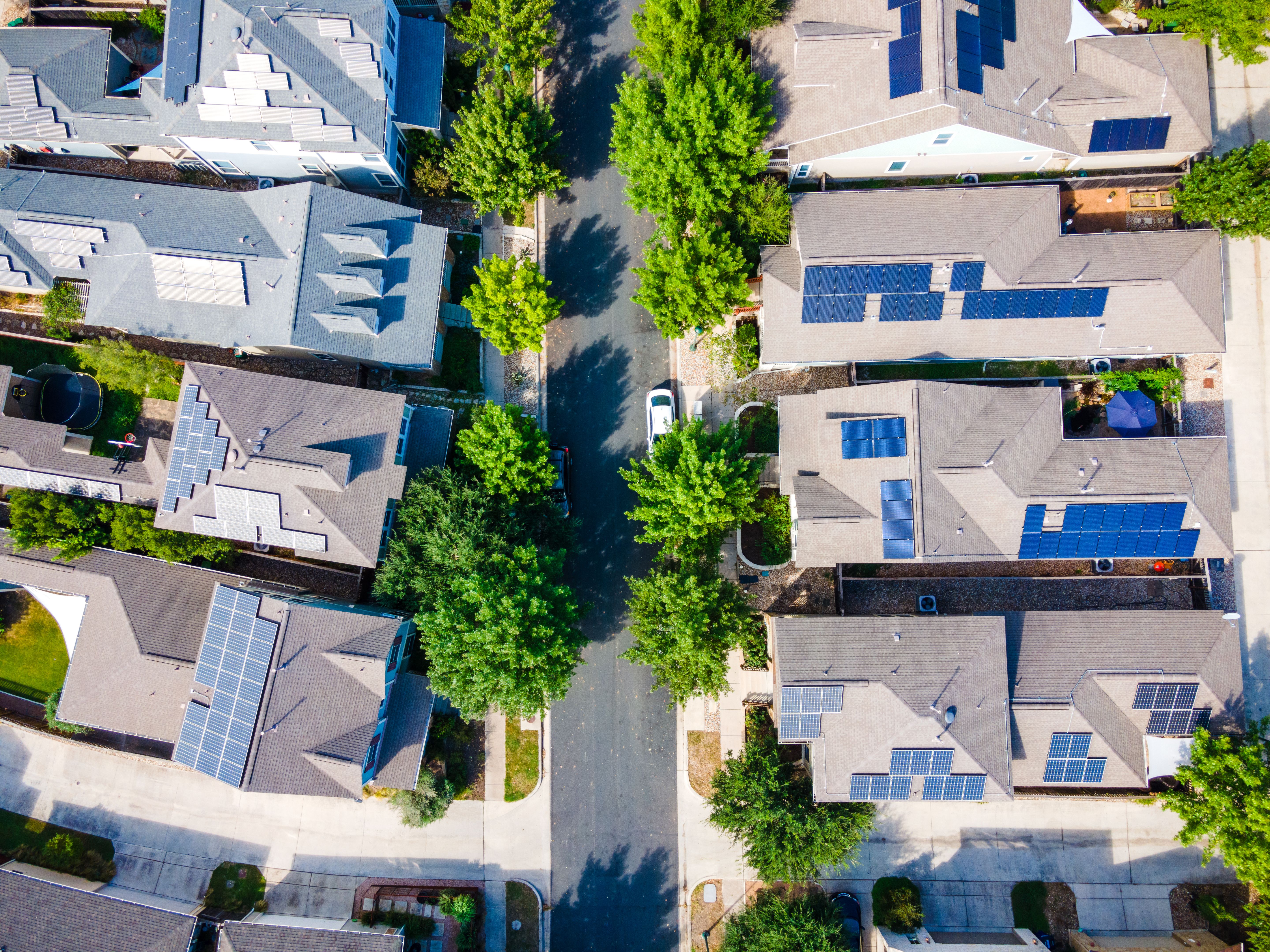
Another myth is that community energy projects are only suitable for rural areas with plenty of space for infrastructure like wind farms or solar arrays. In reality, urban areas can also benefit greatly from such projects. Rooftop solar installations and shared energy systems can be implemented in cities, providing renewable energy to densely populated communities.
Urban projects often focus on innovative solutions like microgrids and energy-sharing platforms, which can help reduce reliance on traditional energy sources and increase resilience against outages.
Myth 3: The Technology Is Too Complex
Some people believe that the technology behind community energy projects is too complex for the average person to understand or manage. However, these projects often come with comprehensive support from experts and organizations that guide communities through the setup and management process.
Additionally, community energy projects are designed to be inclusive, often involving educational components that empower participants to make informed decisions about their energy use.

Myth 4: Community Projects Are Inefficient
There's a perception that community energy projects are less efficient than large-scale energy production. While scale can affect efficiency, community projects are designed to meet local needs, reducing transmission losses and enhancing reliability. They also provide opportunities for innovation and customization that larger projects might not offer.
By focusing on local energy needs and solutions, community projects can optimize energy production and consumption, making them highly effective.
The Benefits of Embracing Community Energy
Debunking these myths reveals the true potential of community energy projects. By embracing these initiatives, communities can enjoy numerous benefits, including energy independence, environmental sustainability, and economic growth. These projects foster community collaboration and empowerment, creating a more sustainable future for everyone involved.
As awareness grows and misconceptions fade, community energy projects are likely to become even more prevalent, offering a model for sustainable development worldwide.