Debunking Myths About Renewable Energy: Insights from Electrify Southside


Understanding Renewable Energy
Renewable energy has gained significant attention over the past few decades. However, with its rise, several myths have emerged, leading to confusion and misinformation. Electrify Southside is here to clarify these misconceptions and provide a clearer understanding of renewable energy sources.
Myth 1: Renewable Energy Is Unreliable
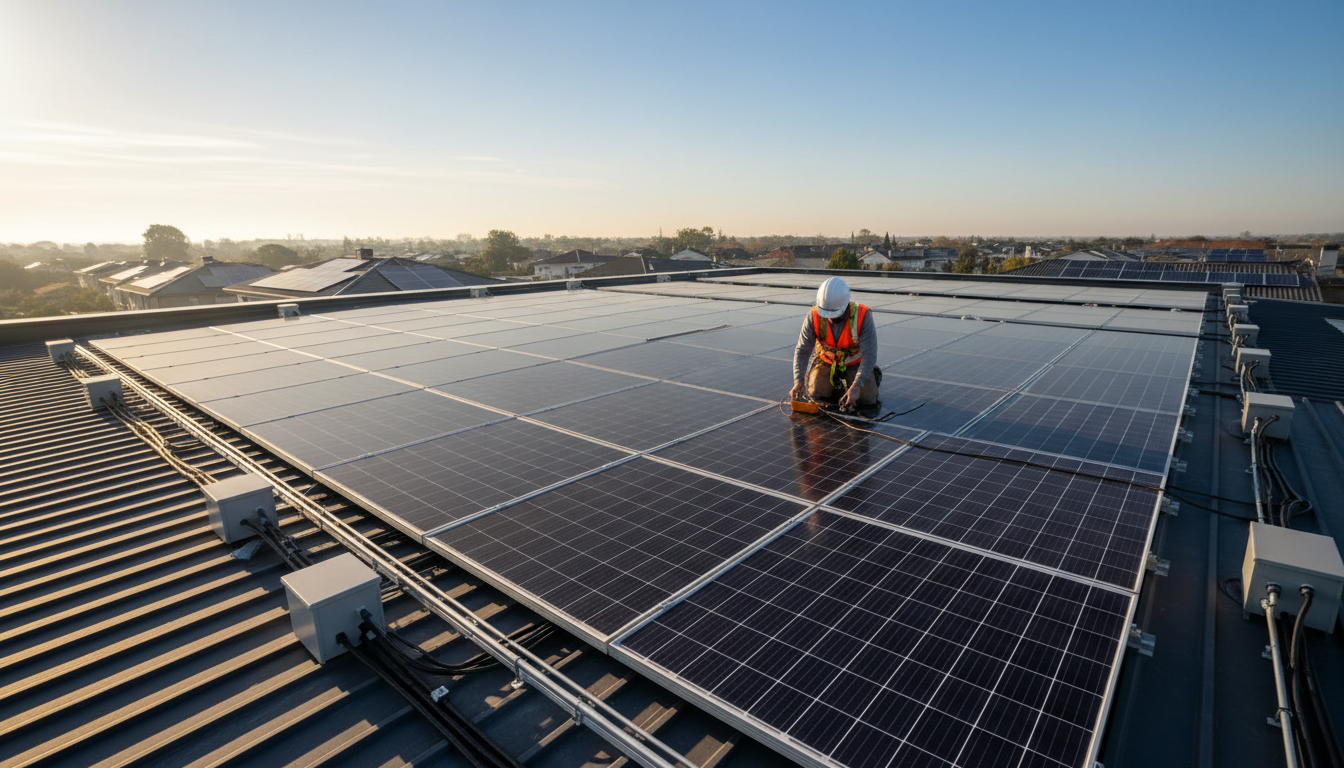
A common myth is that renewable energy is unreliable due to its dependence on weather conditions. While it's true that solar and wind energy rely on weather, modern technology has significantly improved their efficiency and reliability. Innovations in energy storage, such as advanced batteries, ensure that energy can be stored and used even when the sun isn't shining or the wind isn't blowing.
Moreover, a diverse energy grid that integrates multiple renewable sources can provide a more consistent energy supply. By combining solar, wind, hydro, and other renewables, fluctuations can be minimized, ensuring a stable energy output.
Myth 2: Renewable Energy Is Too Expensive
Another prevalent myth is that renewable energy is prohibitively expensive. Initially, the cost of renewable technologies was high, but this has changed dramatically. Over the past decade, the cost of solar panels and wind turbines has decreased substantially, making them competitive with, and often cheaper than, fossil fuels.
Government incentives and subsidies further reduce the cost, making renewable energy a viable option for both businesses and consumers. In many regions, the cost of producing electricity from renewables is now lower than from conventional sources.

Myth 3: Renewable Energy Cannot Meet All Our Needs
Some argue that renewable energy cannot meet the world's energy demands. Electrify Southside emphasizes that with strategic planning and technological advancements, renewables can significantly contribute to global energy needs. Countries like Germany and Denmark have shown that it is possible to integrate high levels of renewable energy into the national grid successfully.
The key lies in improving energy efficiency and developing smart grids that can manage energy distribution effectively. As technology advances, the potential for renewables to meet and even exceed our energy demands becomes increasingly feasible.
Myth 4: Renewable Energy Is Harmful to the Environment
While no energy source is without environmental impact, the effects of renewables are significantly less harmful compared to fossil fuels. The production and installation of renewable energy systems may have some environmental footprint, but their long-term benefits far outweigh these initial impacts.
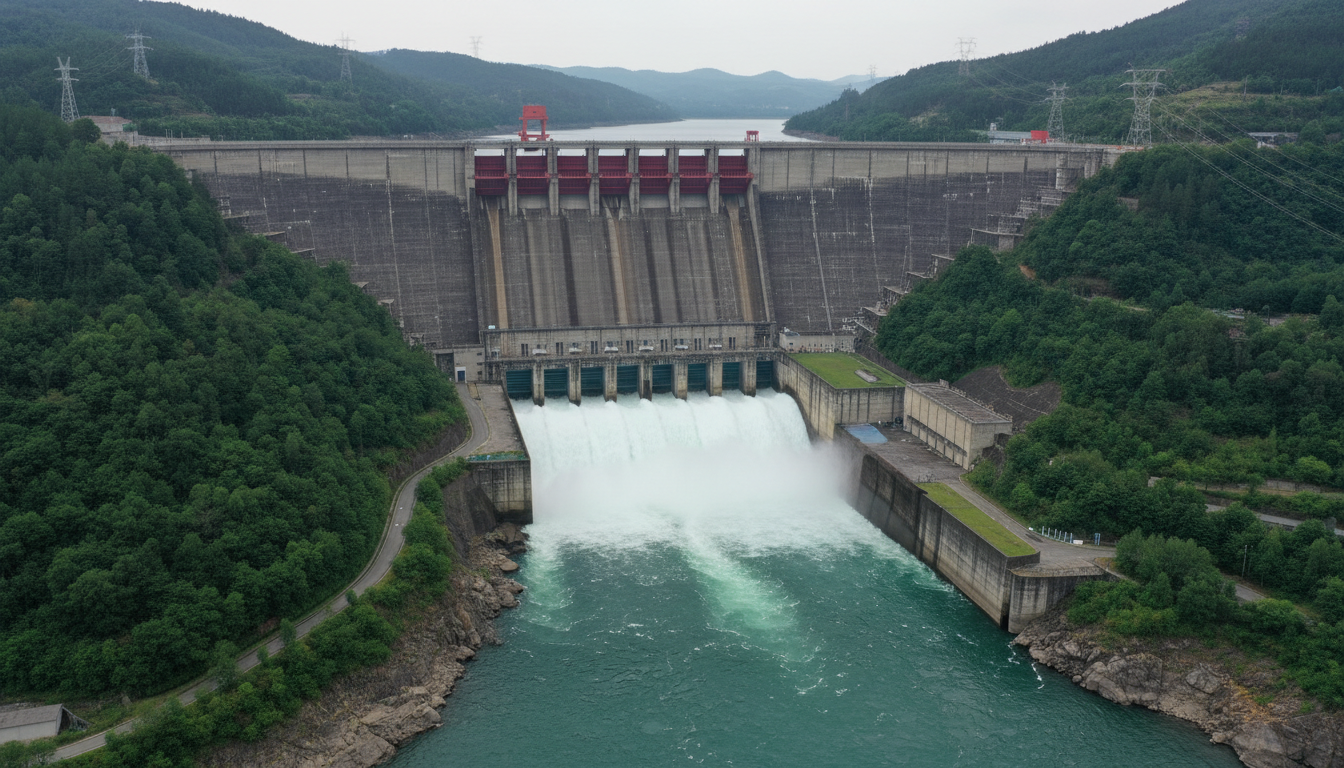
Renewable energy sources like wind and solar produce no emissions during operation, drastically reducing air pollution and contributing to cleaner air and a healthier planet. Additionally, ongoing research is focused on reducing the environmental impact of renewable energy systems even further.
Conclusion: The Future of Renewable Energy
Electrify Southside is committed to promoting the truth about renewable energy. By debunking these myths, we aim to provide a more accurate picture of what renewables can achieve. The transition to cleaner energy sources is not only possible but essential for a sustainable future.
As technology continues to advance, the myths surrounding renewable energy will continue to be dispelled, paving the way for a cleaner, greener planet. Embracing renewables is not just an option; it's a necessity for future generations.