DIY Tips for Setting Up Electric Vehicle Charging Stations at Home


As electric vehicles (EVs) become more popular, setting up a home charging station is a convenient way to ensure your car is always ready to go. Installing a charging station at home may seem daunting, but with a few DIY tips, you can manage it efficiently. This guide will walk you through the essential steps.
Understanding Your Charging Needs
Before you start, it's crucial to assess your specific charging needs. Consider the type of EV you own and how often you drive. These factors will influence the level of charging station you require. Most homeowners opt for a Level 2 charger due to its balance of speed and efficiency.
Level 1 chargers, which use a standard 120-volt outlet, are slower and may not be suitable for daily use if you drive frequently. Level 2 chargers, on the other hand, require a 240-volt outlet and can significantly reduce charging time.
Choosing the Right Equipment
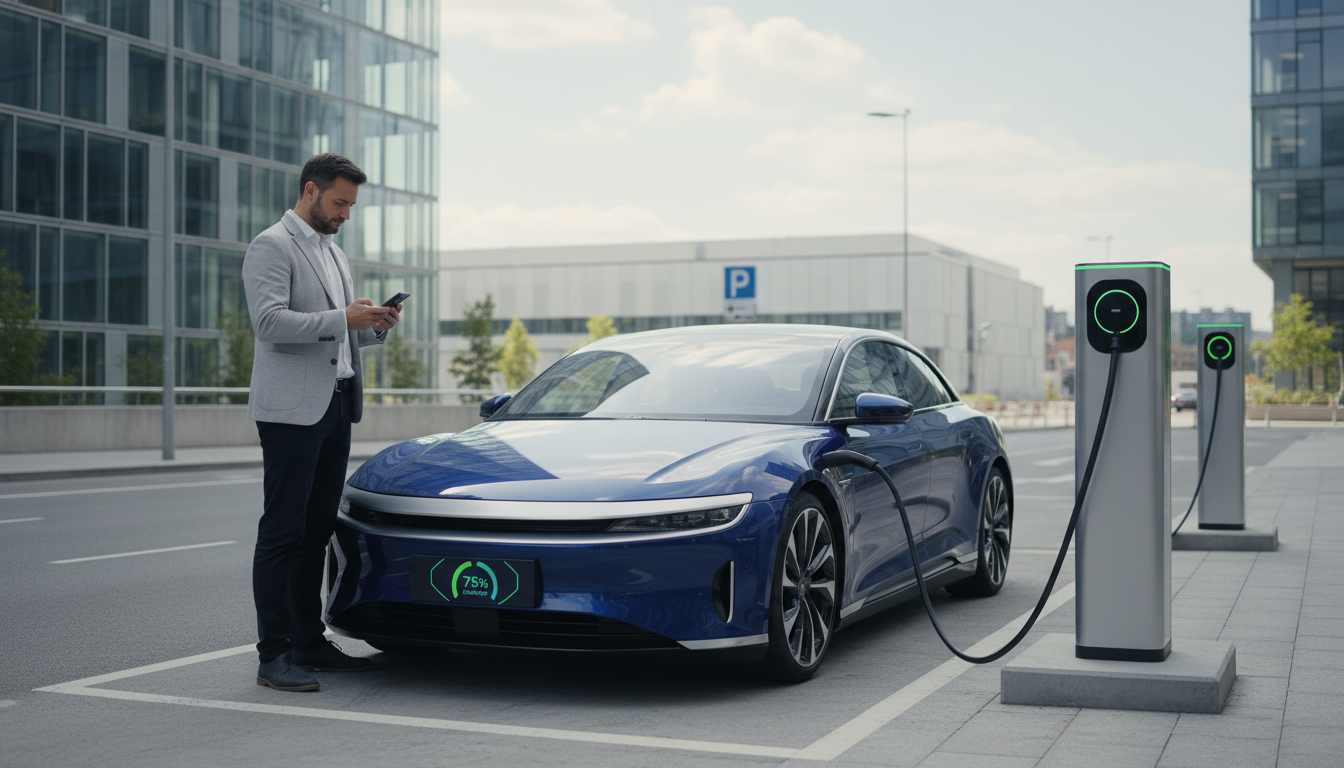
Once you've determined your charging needs, the next step is selecting the appropriate equipment. Look for chargers that are compatible with your vehicle and meet safety standards. It's wise to invest in a charger with smart features that allow you to monitor charging remotely.
Consider the length of the charging cable and ensure it can comfortably reach your vehicle from the outlet. A longer cable provides greater flexibility in positioning your car during charging.
Preparing Your Home for Installation
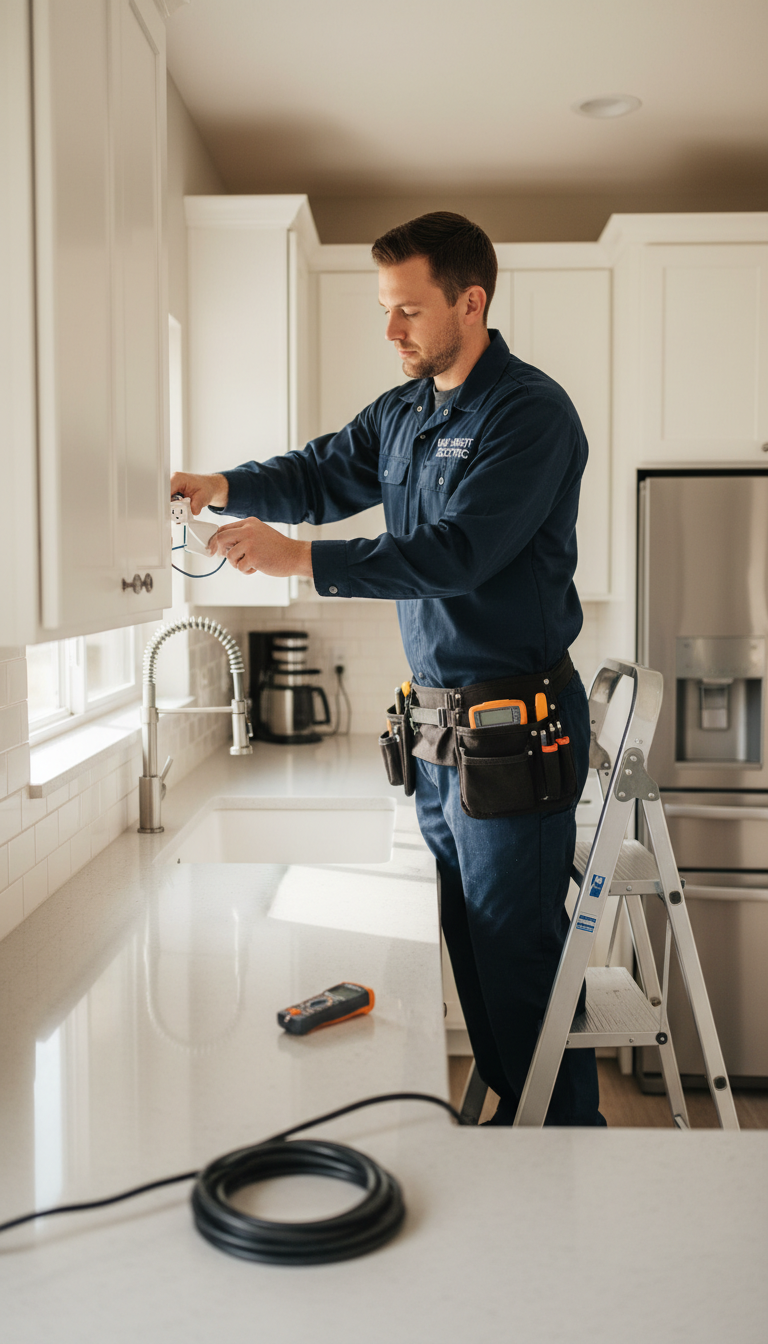
Before installation, evaluate your home's electrical system to ensure it can handle the additional load. You may need to upgrade your electrical panel or install a new circuit. Consulting with a licensed electrician for this step is highly recommended to avoid any safety hazards.
Check local regulations and permits required for installing an EV charging station. Compliance with these rules is crucial to ensure that your setup is legal and safe.
Installation Process
Once you've prepared your home, it's time to install the charging station. If you're comfortable with basic electrical work, you can follow the manufacturer's instructions. However, hiring a professional electrician is often the best choice to ensure everything is up to code.
Installation typically involves mounting the charging unit on the wall, running necessary wiring, and connecting the charger to your electrical panel. Ensure that the installation site is easily accessible and provides adequate ventilation.

Maintaining Your Charging Station
After installation, regular maintenance is key to ensuring your charging station operates smoothly. Periodically inspect the equipment for any signs of wear and tear. Clean the connectors and cables to prevent dirt buildup.
Monitor your electricity usage to understand the impact on your utility bills. Some smart chargers offer usage reports, helping you optimize charging times for cost efficiency.
Final Thoughts
Setting up an EV charging station at home can be a rewarding DIY project that offers convenience and sustainability. By understanding your needs, choosing the right equipment, and ensuring proper installation, you can enjoy the benefits of charging your vehicle at home.
Remember, while DIY can save money, safety should always be your top priority. When in doubt, consult professionals to ensure your charging station is both safe and efficient.