
Expert Insights on the Future of Renewable Energy in Australia


Understanding the Current Landscape
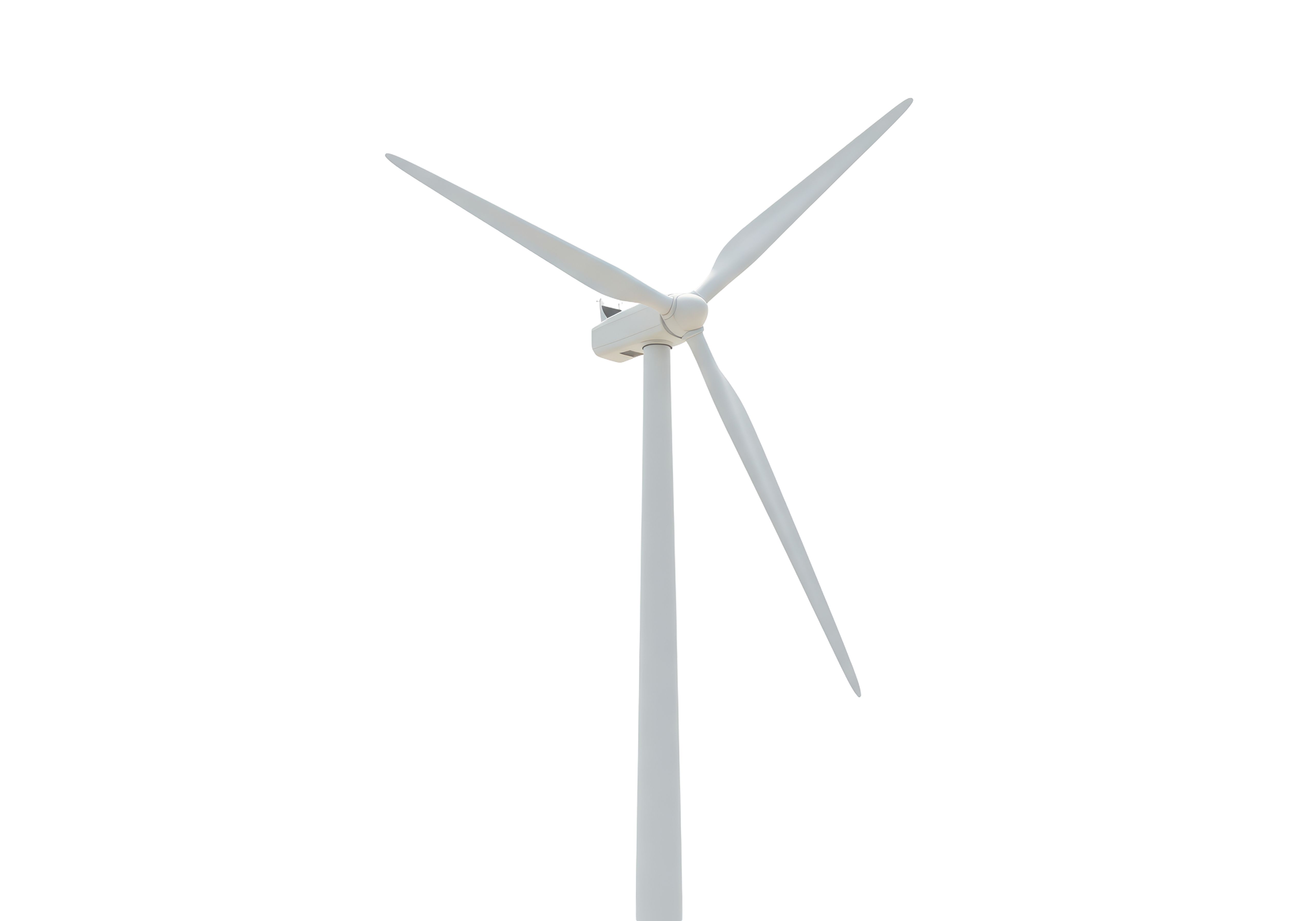
Australia has long been a leader in adopting renewable energy technologies. With its vast landscapes and abundant natural resources, the country is uniquely positioned to drive innovation in this sector. As of now, renewable energy accounts for a significant portion of Australia's electricity generation, with solar and wind leading the charge.
Government policies have played a crucial role in this transformation. Supportive measures such as subsidies and tax incentives have encouraged investment in renewable infrastructure, paving the way for a more sustainable future.

Technological Advancements and Innovations
Recent advancements in technology are set to revolutionize the renewable energy landscape in Australia. Improvements in battery storage solutions are enabling more efficient energy storage, making it possible to harness solar and wind energy even when the sun isn't shining, or the wind isn't blowing.
The development of smart grids is another exciting prospect. These grids allow for better energy management and distribution, reducing waste and optimizing consumption. With artificial intelligence and machine learning, smart grids can predict and respond to energy demands in real-time.
The Role of Policy and Regulation
As renewable energy becomes more integral to Australia's energy mix, policy and regulation will continue to play a pivotal role. Experts suggest that clear, consistent policies are necessary to provide stability for investors and developers. This includes long-term commitments to carbon reduction targets and continued support for emerging technologies.
Collaboration between government, industry, and communities is essential. By working together, these stakeholders can address challenges and ensure that the transition to renewable energy is both equitable and effective.
The Impact on the Economy
The shift towards renewable energy is not only an environmental imperative but also an economic opportunity. The sector is expected to create numerous jobs across various fields, from engineering and construction to research and development. This growth will help diversify Australia's economy, reducing reliance on fossil fuels.
Furthermore, investment in renewable energy can lead to lower energy costs for consumers. As technologies become more efficient and widespread, the price of clean energy will likely continue to decrease, benefiting households and businesses alike.
Challenges and Opportunities Ahead
Despite the promising outlook, the renewable energy sector in Australia faces several challenges. Grid integration, land use, and community acceptance are just a few of the issues that need to be addressed. Solutions will require innovative thinking and collaboration across various sectors.
However, with challenges come opportunities. Australia has the chance to position itself as a global leader in renewable energy research and innovation. By investing in education and training, the country can develop a skilled workforce ready to tackle the challenges of tomorrow.

Conclusion: A Bright Future
The future of renewable energy in Australia is undeniably bright. With continued investment, innovation, and collaboration, the country is well on its way to achieving a sustainable energy future. The journey may be complex, but the rewards—both environmental and economic—are well worth the effort.
As Australia continues to lead the charge in renewable energy, it sets an example for the rest of the world, proving that a sustainable future is not only possible but within reach.