Expert Tips for Setting Up Electric Vehicle Charging Stations


Understanding the Basics of EV Charging Stations
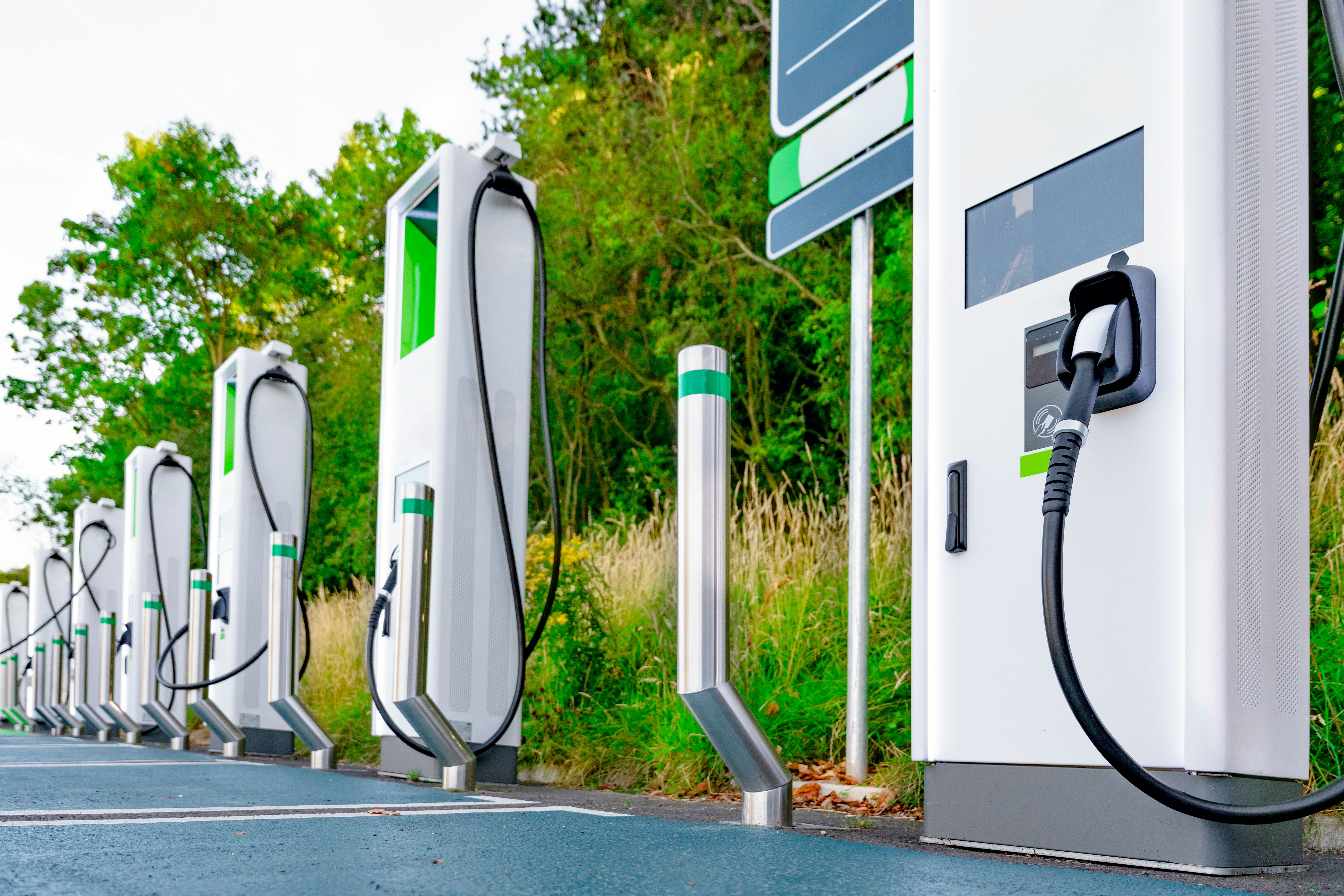
The rise in electric vehicles (EVs) has led to an increased demand for accessible charging stations. Setting up an EV charging station involves understanding the types of chargers available and the necessary infrastructure. Level 1, Level 2, and DC fast chargers serve different needs and speeds, making it crucial to select the right type for your location.
Level 1 chargers are suitable for residential use, offering a slower charge through a standard 120-volt outlet. On the other hand, Level 2 chargers are more powerful, requiring a 240-volt outlet, making them ideal for commercial settings. DC fast chargers provide the quickest charge, but they require significant power and infrastructure investments.
Choosing the Right Location
The location of your EV charging station is vital for its success. Consider areas with high traffic or places that serve as common stops for EV users, like shopping centers, office complexes, or highway rest stops. Accessibility is key, so ensure that the station is easy to find and use.
Additionally, assess the available electrical capacity at your chosen site. Upgrading electrical infrastructure can be costly, so selecting a location with sufficient existing capacity can save both time and money.

Installation and Maintenance Considerations
Proper installation by certified professionals ensures safety and efficiency. Collaborate with experienced electricians familiar with EV charging infrastructure. They can help navigate permits and adhere to local regulations and codes.
Regular maintenance is essential to keep the charging station operational. Establish a maintenance schedule to check for wear and tear, software updates, and cleaning. This proactive approach minimizes downtime and enhances user satisfaction.

Incorporating Smart Technology
Integrating smart technology into your EV charging station can enhance user experience and operational efficiency. Smart chargers offer features like remote monitoring, usage analytics, and payment processing. These capabilities streamline operations and provide valuable insights into usage patterns.
Consider incorporating a user-friendly app interface that allows drivers to locate stations, check availability, and make payments easily. This level of convenience can significantly increase the attraction of your charging station.
Environmental and Financial Benefits
Setting up an EV charging station not only supports sustainable transportation but also offers financial incentives. Many governments provide tax credits, rebates, or grants to businesses that install EV chargers, reducing the overall investment cost.
Moreover, offering EV charging services can attract environmentally conscious customers to your business, enhancing your brand's image and potentially boosting sales.

Promoting Your Charging Station
Once your EV charging station is operational, effective promotion is essential. Leverage digital platforms to reach potential users. Utilize social media, local business directories, and EV-specific apps to increase visibility.
Collaborate with local businesses and EV clubs to spread the word. Offering promotions or discounts can also attract initial users and encourage word-of-mouth recommendations.