Exploring the Future of Electrification in Victoria


The Rise of Electrification
As the world moves towards a more sustainable future, the concept of electrification has taken center stage, especially in regions like Victoria. This shift is not just about transitioning from fossil fuels to electricity but also about reshaping infrastructure, economy, and lifestyle. The potential benefits are vast, ranging from reduced emissions to enhanced energy efficiency.

Victoria is at the forefront of this transformation, with government policies and initiatives aimed at promoting clean energy solutions. The region's commitment to reducing carbon footprints is evident in its ambitious targets and investments in renewable energy sources. Solar panels and wind turbines are becoming common sights, signaling a new era of energy consumption.
Transportation Revolution
One of the most significant areas affected by electrification is transportation. Electric vehicles (EVs) are gradually replacing traditional combustion engine cars, offering a cleaner and more efficient alternative. The Victorian government is investing heavily in EV infrastructure, including charging stations and incentives for EV purchases.

Public transport is also undergoing a transformation, with electric buses and trains providing eco-friendly travel options. This shift is expected to reduce urban pollution and contribute to a healthier environment. As more people embrace these changes, the demand for electricity will increase, necessitating further innovations in energy storage and grid management.
Renewable Energy Integration
Integrating renewable energy into the existing grid is a complex but crucial task. In Victoria, efforts are underway to ensure that solar and wind energy are efficiently harnessed and distributed. This involves upgrading grid infrastructure and implementing smart technologies to manage supply and demand effectively.
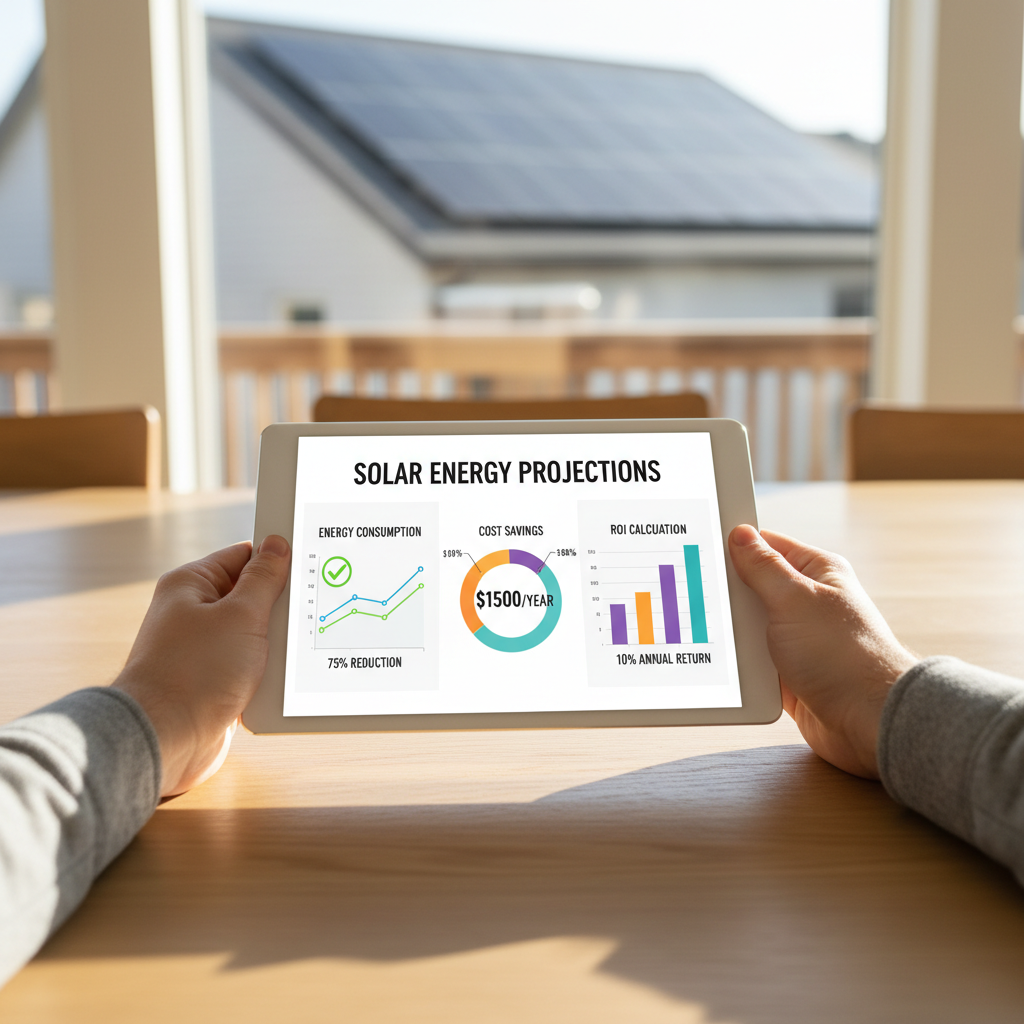
Battery storage solutions are also being explored, offering a way to store excess energy for use during peak demand periods. This not only enhances energy reliability but also supports the continuous growth of renewable sources. The collaboration between government, private sector, and research institutions is vital in driving these advancements.
The Role of Policy and Innovation
Government policies play a pivotal role in the electrification journey. Incentives for renewable energy projects, subsidies for electric vehicles, and investments in research and development are crucial in accelerating the transition. Victoria's approach serves as a model for other regions aiming to achieve similar goals.
Innovation is at the heart of these efforts, with startups and established companies alike contributing to the development of new technologies. From advanced battery systems to smart grid solutions, the landscape of electrification is rapidly evolving. Encouraging innovation ensures that Victoria remains a leader in sustainable energy solutions.
Challenges and Opportunities
Despite the promising outlook, challenges remain. The initial cost of transitioning to electric systems can be high, and there are technical hurdles to overcome in terms of infrastructure and technology integration. However, these challenges also present opportunities for growth, investment, and collaboration.

As Victoria continues to explore the future of electrification, the potential for economic growth and environmental preservation is substantial. By embracing these changes, the region not only contributes to a greener planet but also sets a precedent for others to follow.