
How Renewable Energy Benefits Communities: A Focus on Social Impact


Introduction to Renewable Energy
Renewable energy is transforming communities around the globe, offering a sustainable solution to many of the world's pressing challenges. Beyond environmental benefits, renewable energy plays a crucial role in enhancing social structures and improving the quality of life.

Job Creation and Economic Growth
One of the most significant social impacts of renewable energy is its potential to create jobs. The renewable sector is rapidly growing, and as new projects develop, they require skilled labor, creating employment opportunities in various fields such as engineering, construction, and maintenance.
Furthermore, the development of renewable energy projects can stimulate local economies. As these projects take shape, they attract investment and infrastructure development, leading to economic prosperity in the community.
Empowering Local Businesses
Local businesses can also benefit from the presence of renewable energy projects. By providing clean, inexpensive energy, these projects can reduce operational costs for businesses, enabling them to reinvest in growth and innovation.
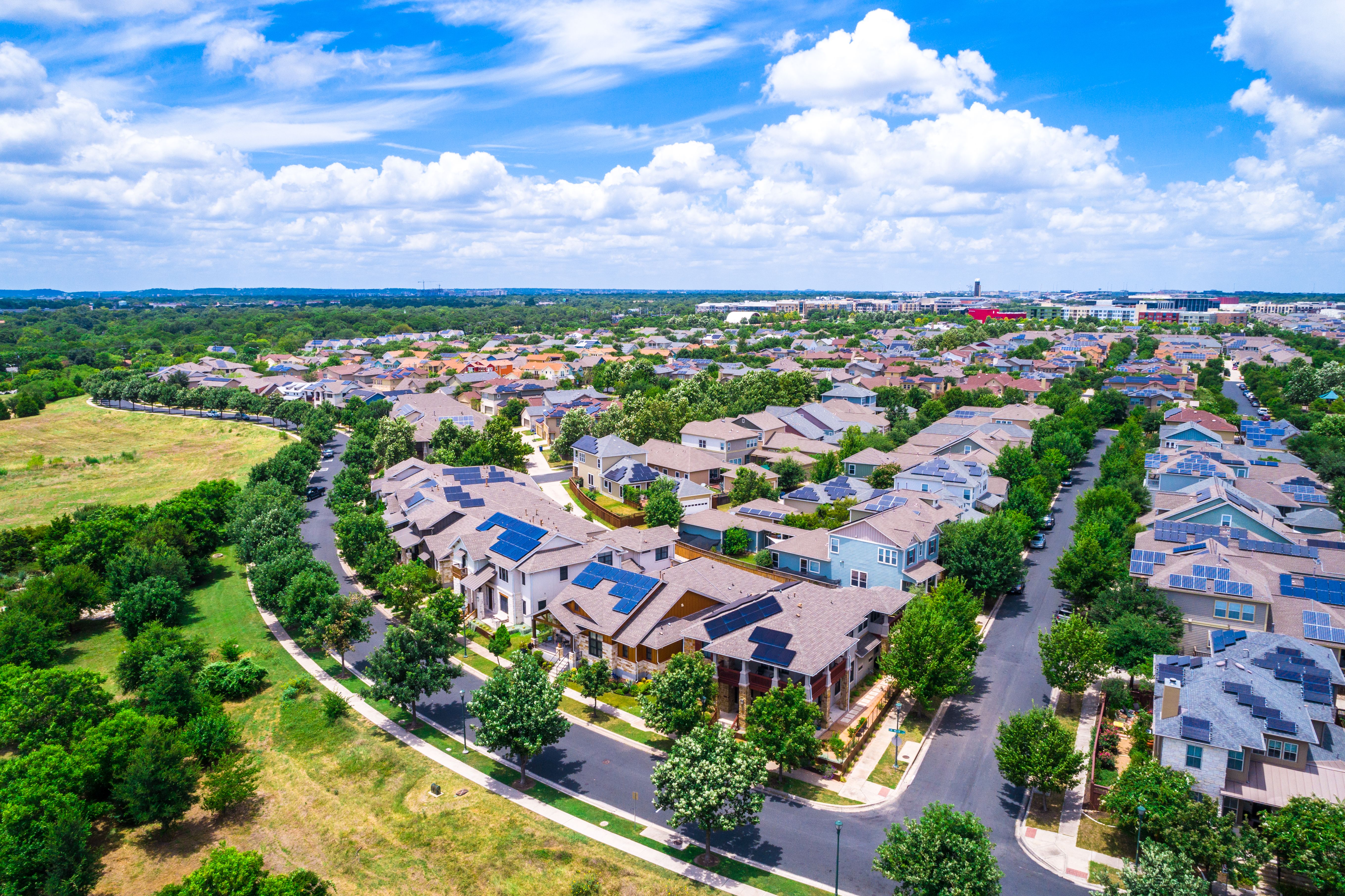
Environmental and Health Benefits
Renewable energy significantly reduces pollution, leading to healthier communities. By minimizing emissions from fossil fuels, air and water quality improve, which can decrease health issues such as asthma and other respiratory problems.
Communities that embrace renewable energy often experience enhanced public health, reducing healthcare costs and improving overall well-being.
Education and Awareness
The integration of renewable energy projects often brings educational opportunities. Schools and community centers can use these projects as a platform to teach about sustainability, science, and technology, fostering a culture of awareness and responsibility among younger generations.

Energy Independence and Security
Renewable energy allows communities to become more energy independent. By relying on local resources such as wind, sun, and water, communities can reduce their dependence on imported fuels, enhancing energy security and stability.
This independence can also shield communities from fluctuating energy prices, providing a more consistent and reliable energy supply.
Community Cohesion
Renewable energy projects often encourage community involvement and collaboration. By engaging local residents in the planning and development process, these initiatives can strengthen community bonds and promote a sense of ownership and pride.
In conclusion, while renewable energy is a crucial element in combating climate change, its social impact is equally profound. From job creation and economic growth to health benefits and community empowerment, renewable energy holds the promise of a brighter, more sustainable future for communities worldwide.