How Solar Panel Installation Can Benefit Non-Profits in Melbourne


Why Solar Panels are a Smart Choice for Non-Profits
In recent years, the trend of embracing renewable energy has gained momentum, especially among non-profit organizations in Melbourne. Installing solar panels is not just an environmentally friendly choice; it's also a financially savvy decision. By harnessing the power of the sun, non-profits can significantly reduce their energy costs, allowing them to allocate more resources to their core missions.
Solar panel installation offers a multitude of benefits that align with the values of non-profit organizations. By reducing reliance on fossil fuels, non-profits can lower their carbon footprint, contributing to a more sustainable future. This alignment with eco-friendly practices can also enhance their reputation and appeal to environmentally conscious donors.
Financial Benefits of Going Solar
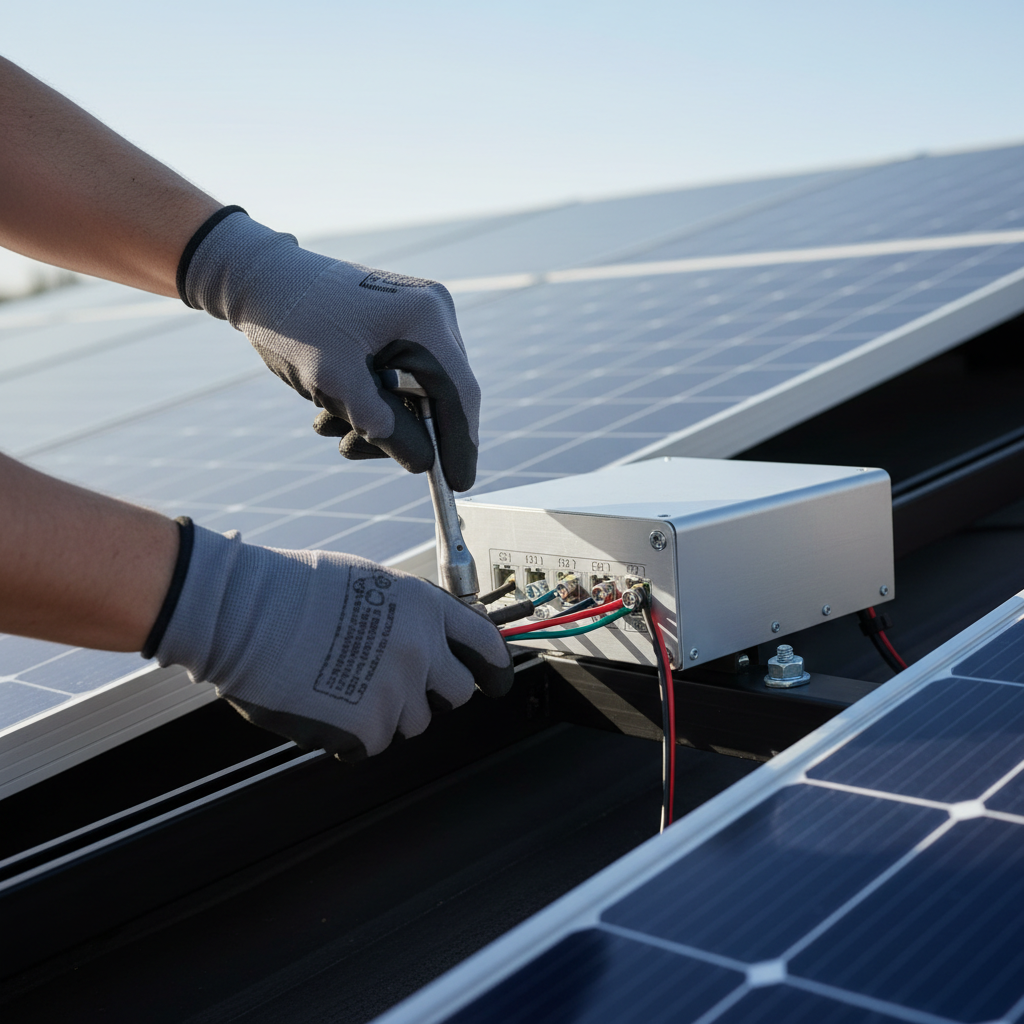
One of the most compelling reasons for non-profits to consider solar panel installation is the potential for significant cost savings. With electricity prices on the rise, generating your own power can lead to substantial reductions in utility bills. For many non-profits operating on tight budgets, these savings can be redirected to support their programs and initiatives.
In addition, non-profits in Melbourne may be eligible for government incentives and rebates, making the initial investment in solar panels more affordable. These financial incentives can further enhance the economic viability of adopting solar energy, providing a quicker return on investment.
Long-Term Sustainability and Stability
Beyond immediate financial savings, solar panels offer long-term stability. With a lifespan of 25-30 years, solar installations provide a reliable source of energy, shielding non-profits from future energy price fluctuations. This stability allows organizations to plan their finances with greater certainty.

Environmental Impact and Community Engagement
By choosing solar energy, non-profits can make a substantial positive impact on the environment. Reducing carbon emissions and reliance on non-renewable energy sources aligns with global efforts to combat climate change. This commitment to sustainability can also inspire community members and stakeholders, fostering a culture of environmental responsibility.
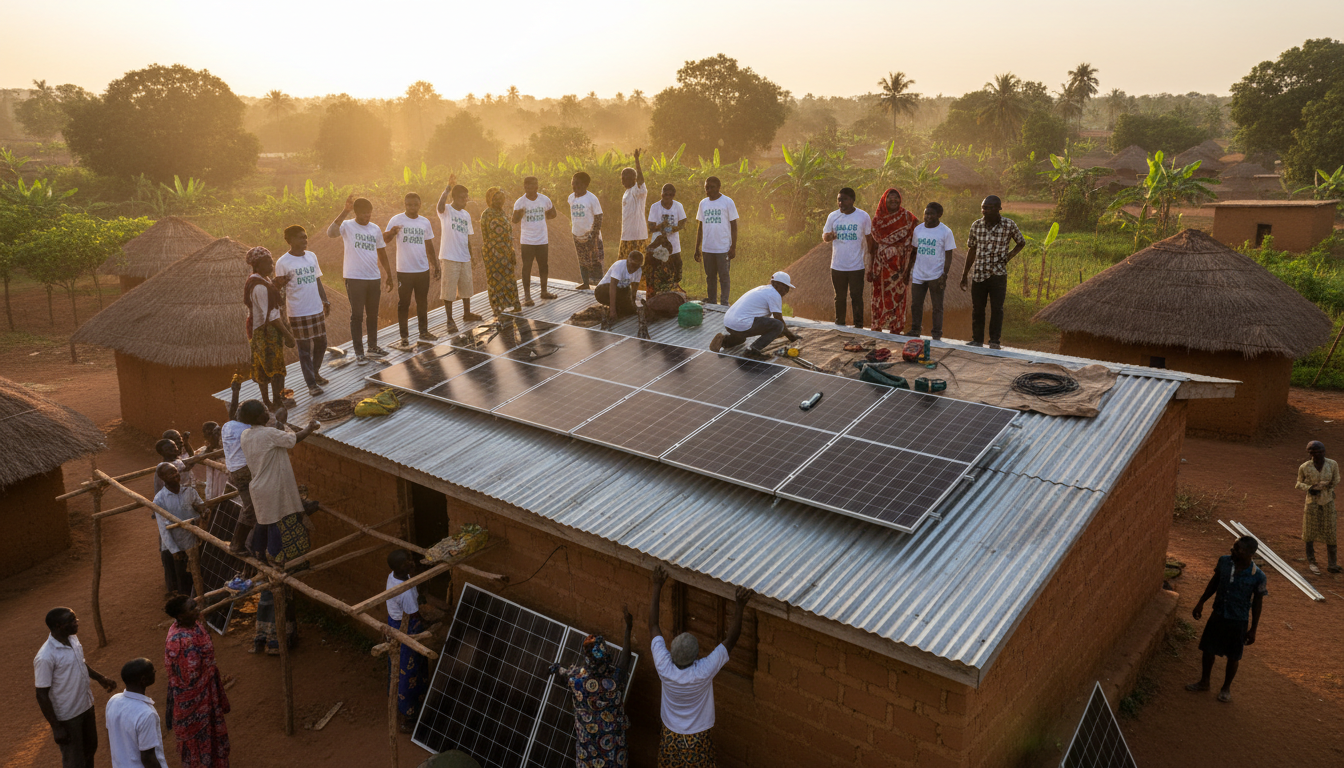
Moreover, solar panel installations can serve as educational tools, raising awareness about renewable energy among volunteers, beneficiaries, and the broader community. Hosting workshops or informational sessions about solar energy can further engage the community and highlight the organization's commitment to sustainability.
Steps to Implement Solar Energy
For non-profits considering solar panel installation, the process can be broken down into a few key steps:
- Assessment: Evaluate the organization's energy needs and determine the feasibility of solar installation.
- Funding: Explore available incentives, grants, and financing options tailored to non-profits.
- Installation: Partner with a reputable solar provider to ensure high-quality installation and maintenance.
- Engagement: Use the installation as an opportunity to engage with the community and educate stakeholders.
By following these steps, non-profits can smoothly transition to solar energy, reaping both financial and environmental benefits.
Conclusion: A Bright Future with Solar
Embracing solar energy is a strategic move for non-profits in Melbourne. The financial savings, environmental benefits, and positive community impact make solar panel installation an attractive option. By investing in renewable energy, non-profits can ensure a sustainable and stable future, allowing them to focus more effectively on their mission and make a lasting difference in their communities.