
Innovations in Community Electrification: Pioneering Projects and Their Impact


Introduction to Community Electrification
In recent years, community electrification has emerged as a critical focus for sustainable development. With increasing emphasis on renewable energy and smart technology, innovative projects are reshaping how communities access power. This transformation is not only bringing electricity to underserved areas but also promoting economic growth and environmental sustainability.

The Rise of Microgrids
Microgrids are becoming a cornerstone in the push for community electrification. These localized grids can operate independently or in conjunction with the main grid, providing flexibility and resilience. Microgrids utilize a combination of solar panels, wind turbines, and battery storage to supply reliable power to remote areas.
One standout example is the microgrid project in rural Alaska, where harsh weather previously limited access to electricity. By harnessing local renewable resources, these communities now enjoy a stable power supply, reducing their reliance on costly diesel generators.
Innovative Financing Models
Financing is often a significant barrier to electrification projects. However, innovative models are emerging to address this challenge. Crowdfunding, public-private partnerships, and microfinancing are enabling communities to invest in their energy future. These models not only provide the necessary capital but also empower local stakeholders.
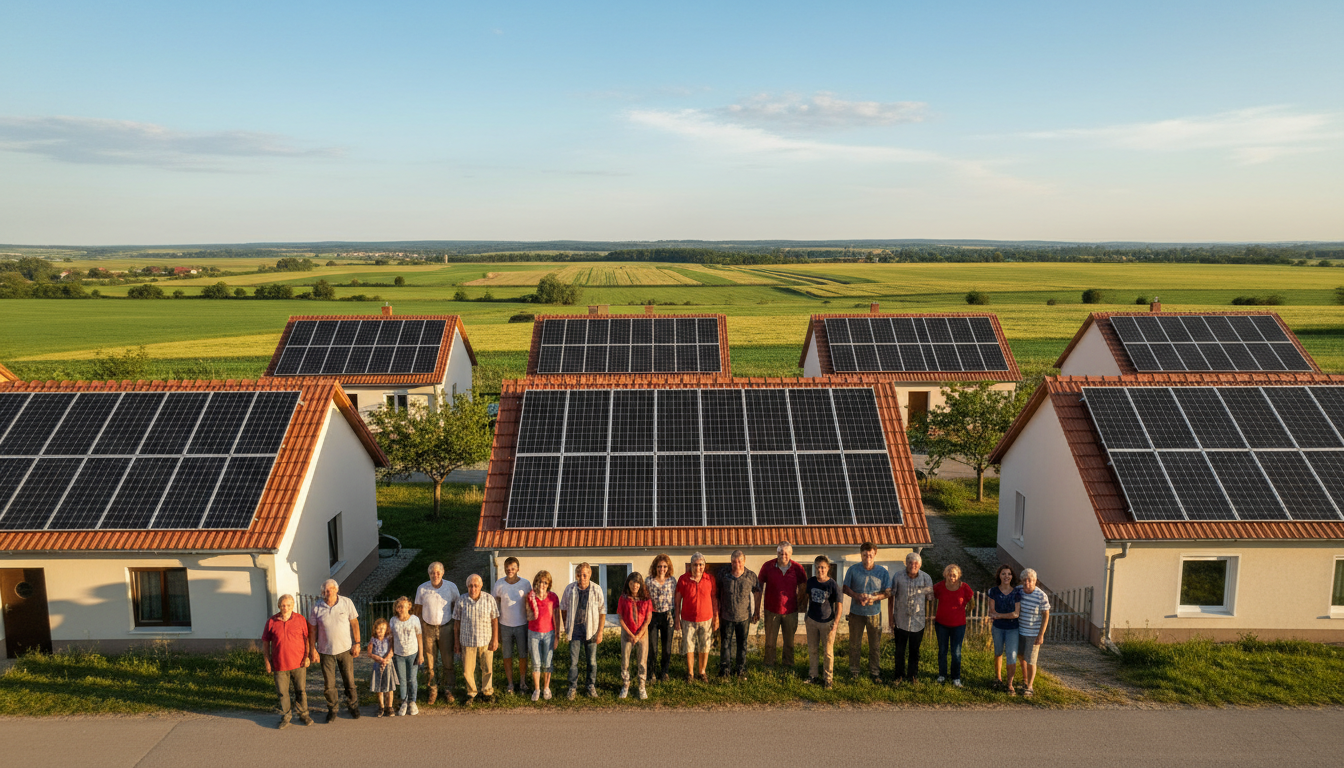
For instance, a project in Kenya utilized a blend of crowdfunding and government support to establish solar-powered community centers. These centers offer not just electricity but also educational resources, internet access, and healthcare facilities.
Impact on Local Economies
The impact of electrification extends beyond mere access to power. Electrified communities experience boosts in local economies, as businesses can operate more efficiently and new opportunities arise. Entrepreneurs in electrified areas can open shops, start new ventures, and create jobs, contributing to overall economic growth.
In India, the electrification of rural villages has led to the rise of small-scale industries, enhancing local production and employment. This shift is helping to reduce urban migration by providing viable livelihoods in rural settings.

Environmental Benefits
Community electrification projects are often aligned with environmental goals. By focusing on renewable energy sources, these initiatives reduce carbon emissions and promote sustainable practices. The shift from fossil fuels to renewables is crucial in combating climate change.
Projects in Latin America have successfully integrated solar and wind energy, significantly decreasing the carbon footprint of communities while preserving local ecosystems.
Challenges and Future Prospects
Despite the progress, challenges remain. Infrastructure development, maintenance, and the need for skilled personnel are ongoing concerns. However, with technological advances and international cooperation, the future of community electrification looks promising.
As more pioneering projects emerge, sharing knowledge and best practices will be essential for scaling these efforts globally. By continuing to innovate and collaborate, we can ensure that every community has access to sustainable, reliable electricity.