Myth-Busting: Common Misconceptions About Community Electrification


Understanding Community Electrification
Community electrification is a transformative process that brings electricity to underserved or remote areas. Despite its importance, several misconceptions surround this topic. In this post, we'll debunk some common myths and provide clarity on what community electrification truly entails.

Myth 1: It's Too Expensive
One of the most pervasive myths about community electrification is that it is prohibitively expensive. While initial costs can be significant, the long-term benefits often outweigh these expenses. Implementing renewable energy sources like solar and wind can reduce ongoing costs and provide sustainable power.
In many cases, governments and organizations offer subsidies and financial assistance to make electrification projects more affordable. This helps communities access the funds needed to install reliable energy systems.
Myth 2: Only Large Cities Benefit
Another misconception is that electrification primarily benefits large urban areas. In reality, community electrification efforts are often focused on rural and remote locations that lack access to the electrical grid. These projects aim to improve quality of life, boost local economies, and provide educational opportunities.
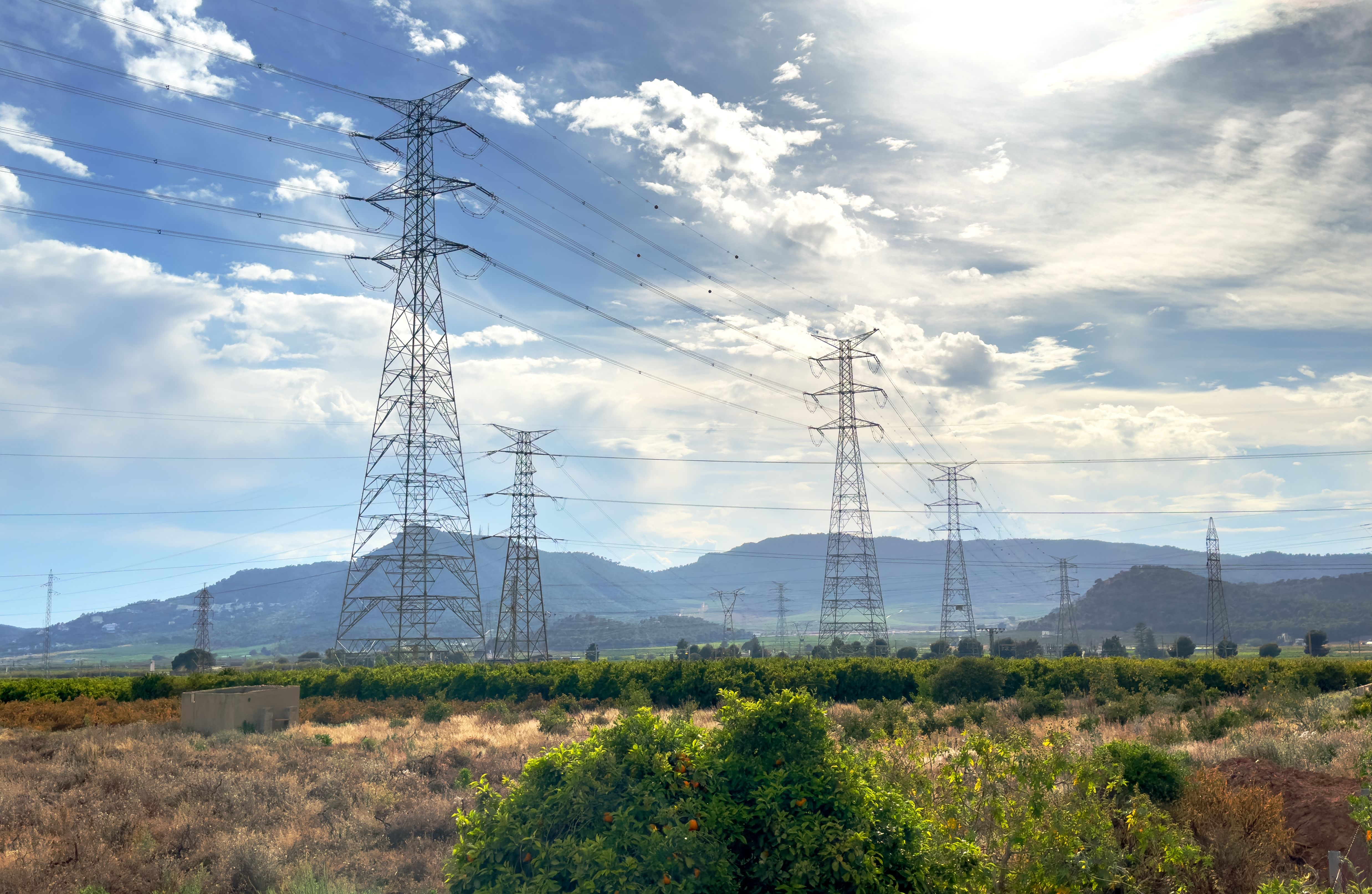
By targeting areas with limited access, electrification initiatives help bridge the gap between urban and rural communities, fostering greater equality and development.
Myth 3: It's Only About Power Lines
Many people think community electrification is solely about extending power lines. However, it encompasses much more, including the integration of renewable energy sources, the implementation of smart grids, and the promotion of energy efficiency.
These components not only provide power but also ensure that energy is used effectively and sustainably. This holistic approach helps communities become more resilient to environmental changes and power disruptions.

Myth 4: It Doesn't Impact the Environment
Some believe that community electrification has little to no environmental impact. While traditional methods can lead to increased carbon emissions, modern approaches often prioritize clean energy, reducing the carbon footprint.
By investing in renewable resources and energy-efficient technologies, communities can minimize their environmental impact while gaining the benefits of electrification.
The True Impact of Electrification
Community electrification is more than just providing power; it's about empowering people, driving economic growth, and fostering sustainable development. By debunking these myths, we can better understand the true value and potential of electrifying underserved areas.

As we continue to innovate and invest in clean energy solutions, community electrification will remain a vital component in building a brighter, more equitable future for all.