Myths About Electrification: What You Need to Know


Understanding Electrification Myths
The transition to electrification is a hot topic, but it's also surrounded by a plethora of myths. As more people explore electric vehicles (EVs) and renewable energy, it's crucial to separate fact from fiction. Let's delve into some common misconceptions about electrification and uncover the truth.
Myth 1: Electric Vehicles Have Limited Range
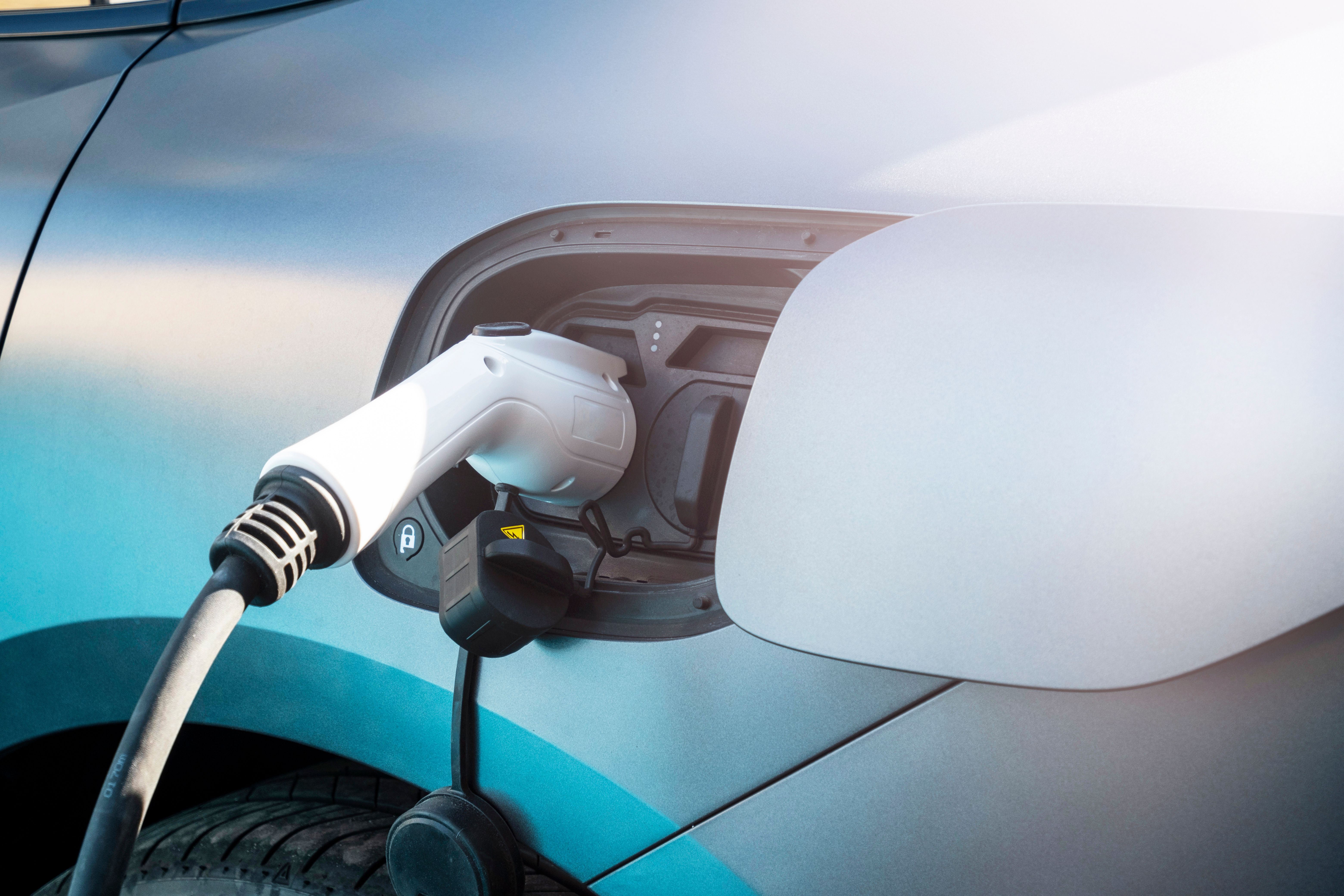
One of the most persistent myths is that electric vehicles can't travel far on a single charge. While early models had limited range, modern EVs can cover significant distances. Many current models offer ranges exceeding 250 miles, with some even surpassing 400 miles on a full charge. This makes EVs suitable for both daily commutes and longer road trips.
Moreover, the expansion of charging infrastructure has made it easier than ever to recharge on the go. Public charging stations are increasingly available, and home charging solutions provide additional convenience.
Myth 2: Electrification Is Too Expensive
Another myth is that electrification is prohibitively expensive. While the initial costs of EVs may be higher compared to traditional vehicles, the total cost of ownership often tells a different story. EVs generally have lower maintenance costs due to fewer moving parts and no need for oil changes. Additionally, the cost of electricity per mile is typically lower than gasoline.

Incentives and rebates are available in many regions, further reducing the financial burden. Governments and organizations are actively promoting electrification to achieve sustainability goals, often offering financial assistance to encourage adoption.
Myth 3: Renewable Energy Can't Meet Demand
Some skeptics argue that renewable energy sources like solar and wind can't meet our energy demands. However, advancements in technology have significantly increased the efficiency and capacity of renewable energy systems. In many areas, solar and wind power are becoming competitive with traditional energy sources.
Energy storage solutions, such as batteries, are also improving, allowing for more consistent energy supply even when the sun isn't shining or the wind isn't blowing. These developments are paving the way for a more sustainable and reliable energy grid.
Myth 4: Electrification Is Only for Urban Areas
Electrification is often seen as an urban phenomenon, but rural areas can benefit just as much. In fact, rural regions may gain even more from renewable energy solutions like solar panels, which can provide reliable energy in areas where traditional power infrastructure is lacking.
Electric vehicles, too, are becoming more viable in rural settings. With increasing range and charging infrastructure, EVs can handle the longer distances often required in these areas.
Conclusion: Embracing the Future
The myths surrounding electrification can be misleading, but understanding the facts helps in making informed decisions. As technology continues to evolve, the benefits of electrification become more accessible and practical for everyone. Embracing this change is not just beneficial for the environment but can also be economically advantageous in the long run.
Whether you're considering an electric vehicle or looking into renewable energy for your home, it's essential to base your decisions on accurate information. Electrification is not just a trend—it's a transformative step toward a sustainable future.