Preparing for an Electrified Future: Trends and Innovations


The Rise of Electric Vehicles
The shift towards electric vehicles (EVs) is more than just a trend—it's a significant movement in the automotive industry. With advancements in battery technology and increasing environmental awareness, electric vehicles are quickly gaining traction. Major car manufacturers are now investing heavily in EV production, aiming to reduce reliance on fossil fuels and minimize carbon emissions.
As governments worldwide enforce stricter emission regulations, the adoption of electric vehicles is expected to accelerate. Incentives such as tax breaks and subsidies are also motivating consumers to make the switch from traditional combustion engines to electric.
Infrastructure Developments
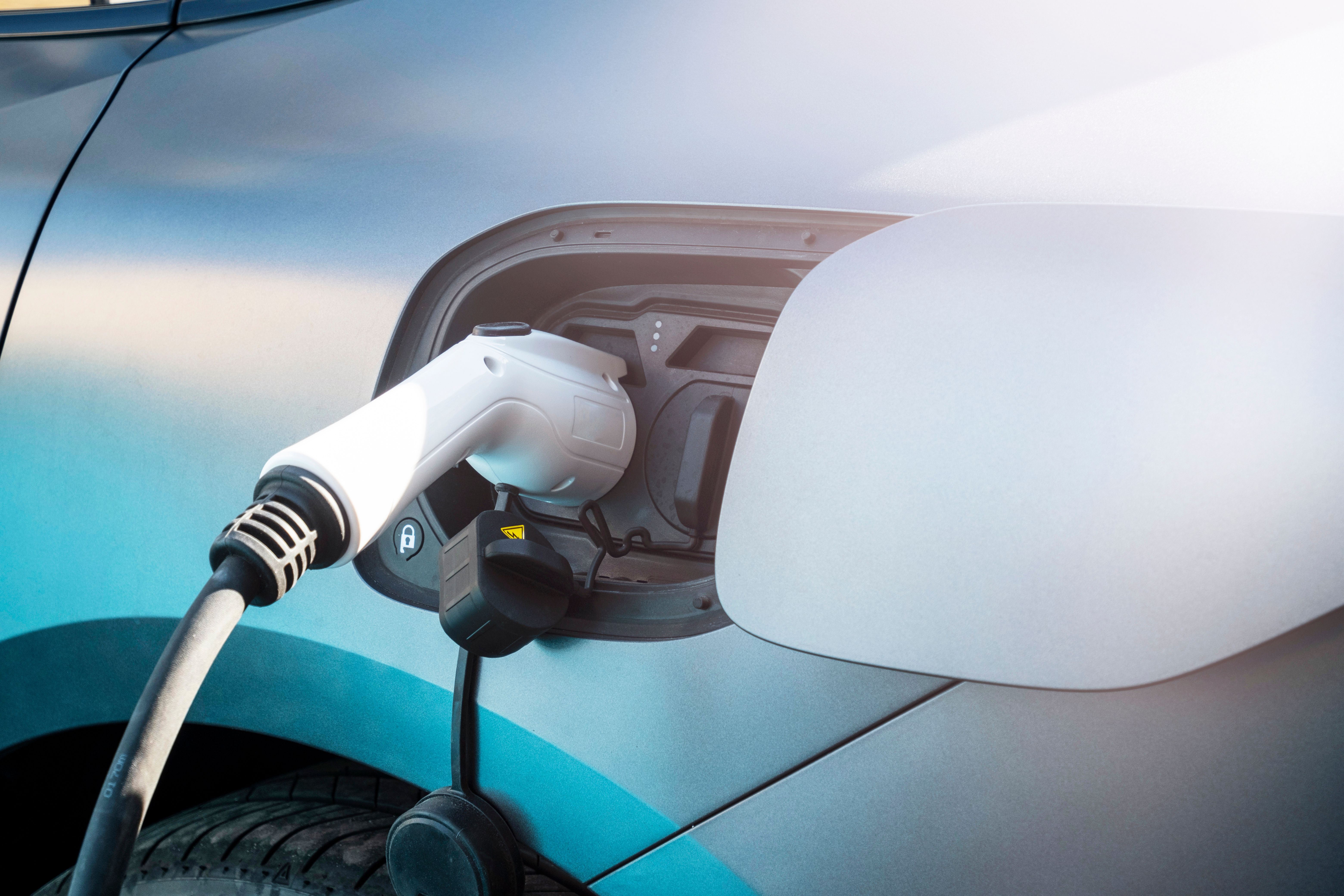
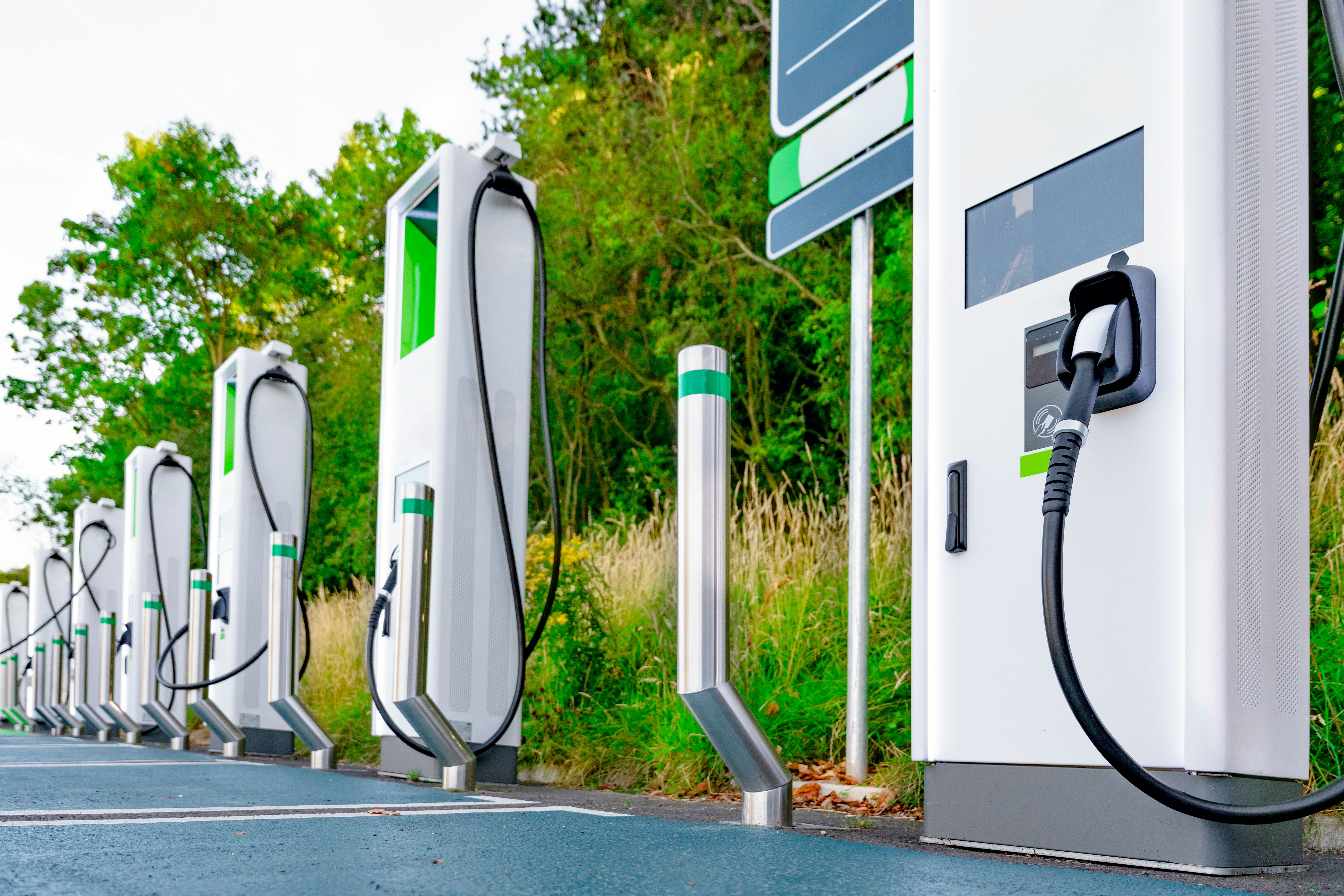
One of the key factors driving the electrification of transportation is the development of charging infrastructure. The expansion of charging networks, including fast-charging stations, is crucial to support the growing number of electric vehicles on the road. Many countries are investing in public charging stations, making it more convenient for EV owners to recharge their vehicles.
In addition to public charging stations, there is a rise in the installation of home charging units. This convenience allows EV owners to charge their vehicles overnight, much like charging a smartphone, ensuring a full battery each morning.
Smart Charging Solutions
Innovations in charging technology are leading to smarter and more efficient solutions. Smart chargers can optimize charging times based on electricity demand and supply, reducing costs and easing the load on the power grid. This technology is particularly beneficial for urban areas with high energy consumption.
Renewable Energy Integration
As the world embraces electrification, integrating renewable energy sources is essential. Solar, wind, and other renewable energy technologies are being increasingly used to power electric vehicles. This not only reduces the carbon footprint associated with EVs but also promotes sustainable energy use.
Companies are now exploring ways to combine EV charging with renewable energy production. For instance, solar-powered charging stations are becoming more prevalent, providing a green alternative to traditional electricity sources.
The Role of Energy Storage
Energy storage solutions are pivotal in balancing supply and demand in the renewable energy sector. Batteries used in electric vehicles can also serve as storage units, feeding excess energy back into the grid when needed. This concept, known as vehicle-to-grid (V2G) technology, is gaining interest as a way to optimize energy use and support grid stability.

Future Innovations and Trends
Looking ahead, several trends and innovations are poised to shape the future of electrification. Autonomous electric vehicles are on the horizon, promising to revolutionize the way we travel. These self-driving cars will likely be electric, further emphasizing the shift toward sustainable transportation.
Additionally, advancements in battery technology continue to evolve, focusing on increasing range and reducing charging times. Solid-state batteries, for example, are being hailed as the next big breakthrough, offering higher energy density and improved safety.
Conclusion
The transition to an electrified future presents both challenges and opportunities. As technology progresses and infrastructure expands, the adoption of electric vehicles and renewable energy sources will become increasingly feasible. Embracing these changes is essential for achieving a sustainable and environmentally friendly future.