Renewable Energy Myths Debunked: What Communities Need to Know


Understanding Renewable Energy
Renewable energy is becoming an increasingly important part of our global energy landscape. Despite its growing popularity, there are still many misconceptions surrounding its use and benefits. This article aims to debunk some of the most common myths about renewable energy, providing communities with the knowledge they need to make informed decisions.
Myth 1: Renewable Energy is Too Expensive
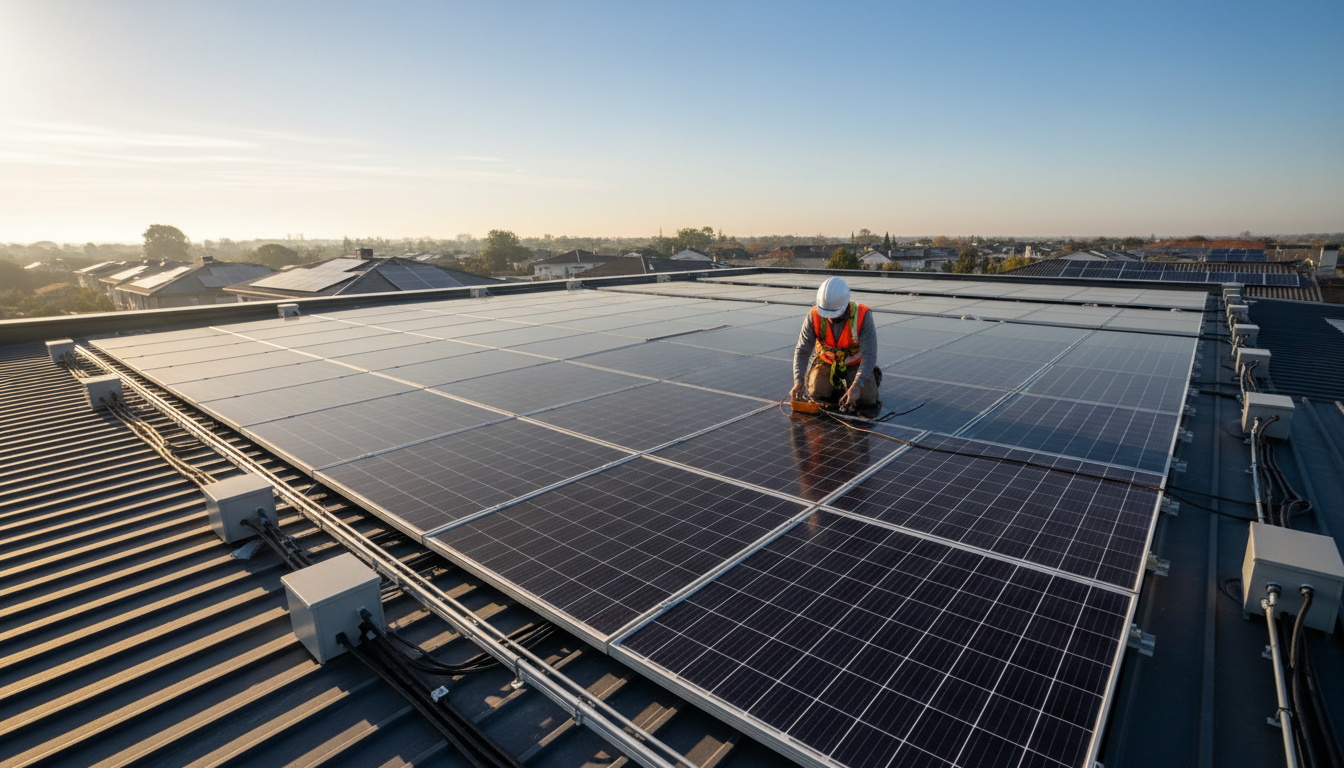
One of the most persistent myths is that renewable energy is prohibitively expensive. While it is true that initial setup costs can be high, the long-term savings are significant. Technologies like solar and wind have seen dramatic drops in cost over the past decade, making them competitive with traditional energy sources. Furthermore, government incentives and tax breaks can offset installation expenses, making renewable options more accessible.
Myth 2: Renewable Energy is Unreliable
Another common misconception is that renewable energy sources are unreliable. While the sun doesn’t always shine and the wind doesn’t always blow, advances in energy storage and grid management are mitigating these issues. Technologies like batteries and smart grids are enhancing the reliability and integration of renewable energy, ensuring consistent power supply.

The Environmental Impact
Renewable energy significantly reduces carbon emissions and pollution. Unlike fossil fuels, which release harmful pollutants into the atmosphere, renewables generate clean power. This shift not only benefits the environment but also contributes to healthier communities by improving air quality.
Myth 3: Renewable Energy Takes Up Too Much Space
Some argue that renewable energy installations, such as wind farms and solar panels, require too much land. However, these installations often coexist with agriculture and other land uses. Innovative solutions like solar rooftops and offshore wind farms further minimize land use while maximizing energy production.

Economic Benefits
Investing in renewable energy can drive economic growth. It creates jobs in manufacturing, installation, and maintenance, contributing to local economies. As the industry expands, it offers new opportunities for communities to build a sustainable and prosperous future.
Conclusion
Debunking these myths is crucial for communities considering a transition to renewable energy. By understanding the realities of cost, reliability, environmental impact, and economic benefits, communities can make informed decisions that align with their sustainability goals. Embracing renewable energy is not just an environmental imperative but also an opportunity for economic and social advancement.