The Future of Electrification: Trends and Innovations


As the world pivots towards a greener future, the electrification of various sectors emerges as a key strategy. From transportation to energy production, electrification promises to reshape industries and improve sustainability. Understanding the trends and innovations driving this transformation is crucial for businesses and consumers alike.
Advancements in Electric Vehicles
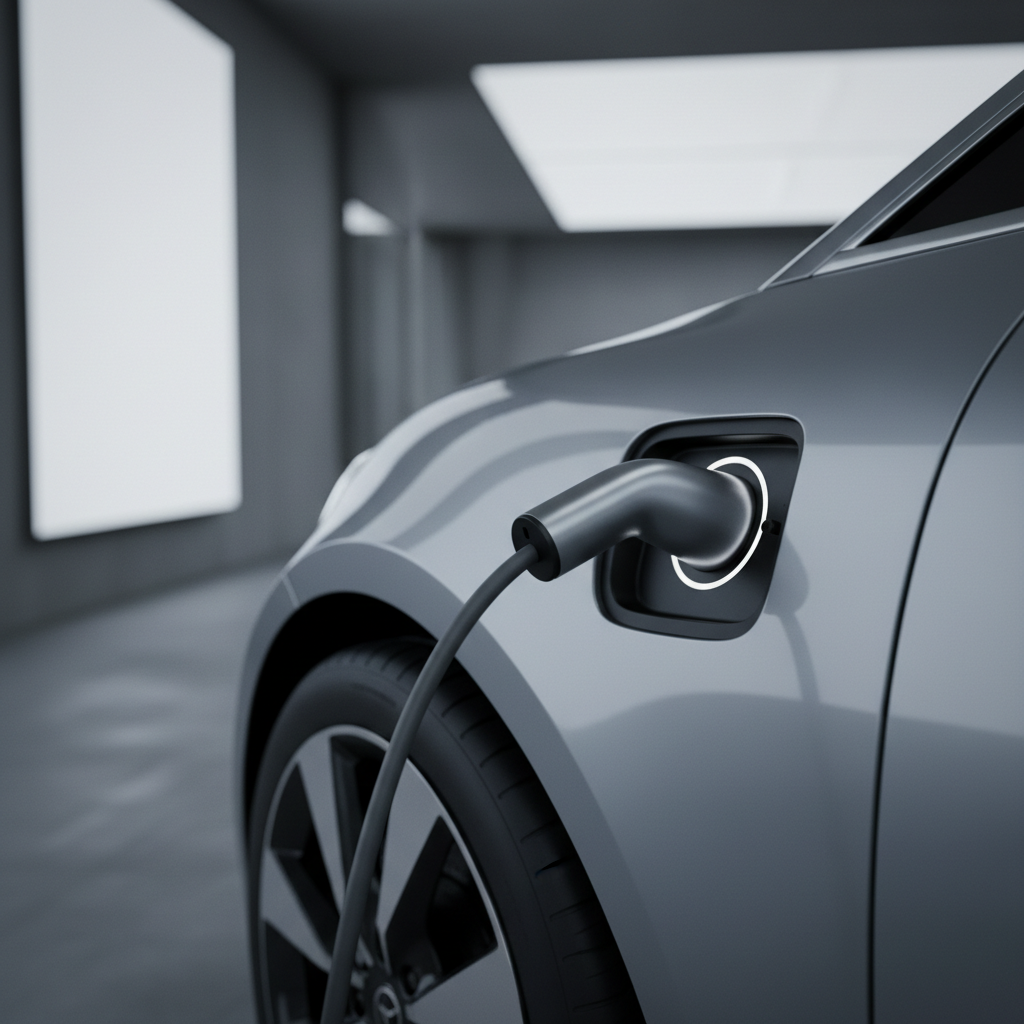
Electric vehicles (EVs) are at the forefront of the electrification movement. Recent advancements in battery technology have significantly increased the range and efficiency of EVs, making them more accessible to the average consumer. Lithium-ion batteries, once the standard, are now being supplemented by solid-state batteries, which offer greater capacity and faster charging times.
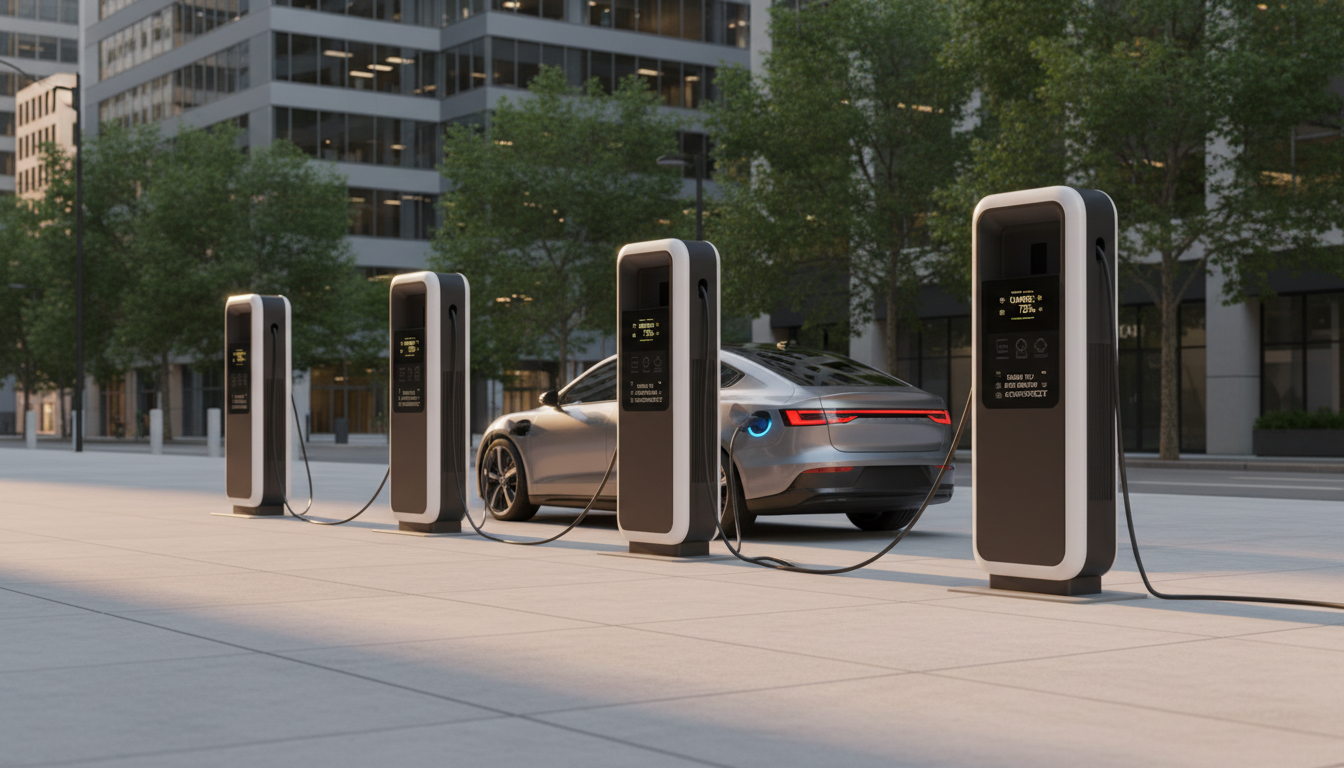
Moreover, the expansion of charging infrastructure is essential to supporting the growth of EVs. Governments and private companies are investing heavily in building more charging stations, making long-distance travel more feasible. This development not only supports current EV owners but also encourages more people to switch to electric.
Impact on Public Transportation
Electrification is not limited to personal vehicles. Public transportation systems are also undergoing a significant transformation. Electric buses and trains are becoming more prevalent, reducing emissions and operating costs for municipalities. These changes are not only environmentally friendly but also economically advantageous in the long run.
In addition, electric public transportation systems offer a smoother and quieter ride, improving the quality of life in urban areas. As technology progresses, we can expect further integration of electric solutions in public transit networks worldwide.
Renewable Energy Integration
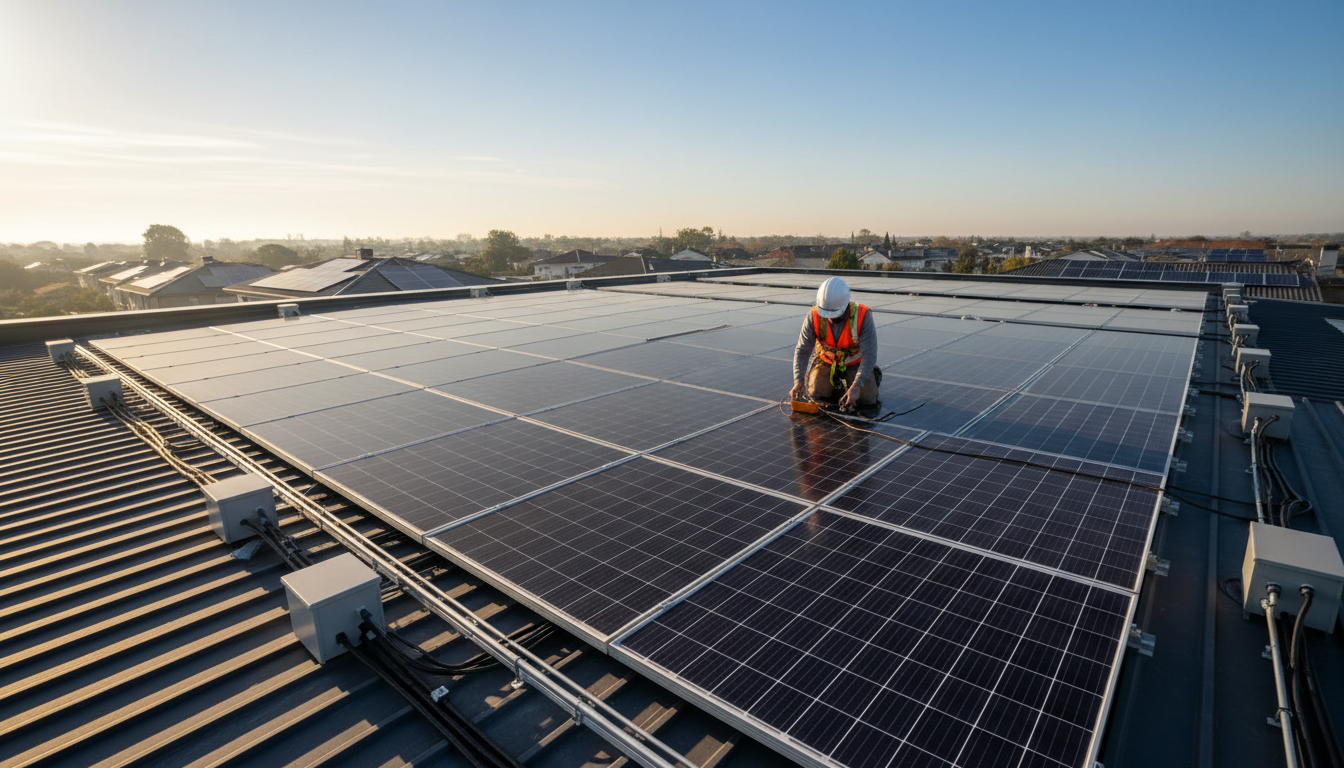
The shift towards electrification is closely tied to the integration of renewable energy sources. Solar panels and wind turbines are being increasingly utilized to generate electricity, reducing reliance on fossil fuels. This transition is crucial for achieving carbon neutrality targets set by nations worldwide.
Innovations in energy storage solutions, such as advanced battery systems, are enhancing the reliability of renewable energy. These systems ensure a steady supply of electricity even when natural conditions are not ideal, making renewables a more viable option for large-scale energy needs.
The Role of Smart Grids
Smart grids are another innovation facilitating the future of electrification. These systems allow for better management of electricity demand and supply, optimizing energy usage across different sectors. By integrating smart grids with renewable energy sources, we can create a more resilient and efficient energy network.
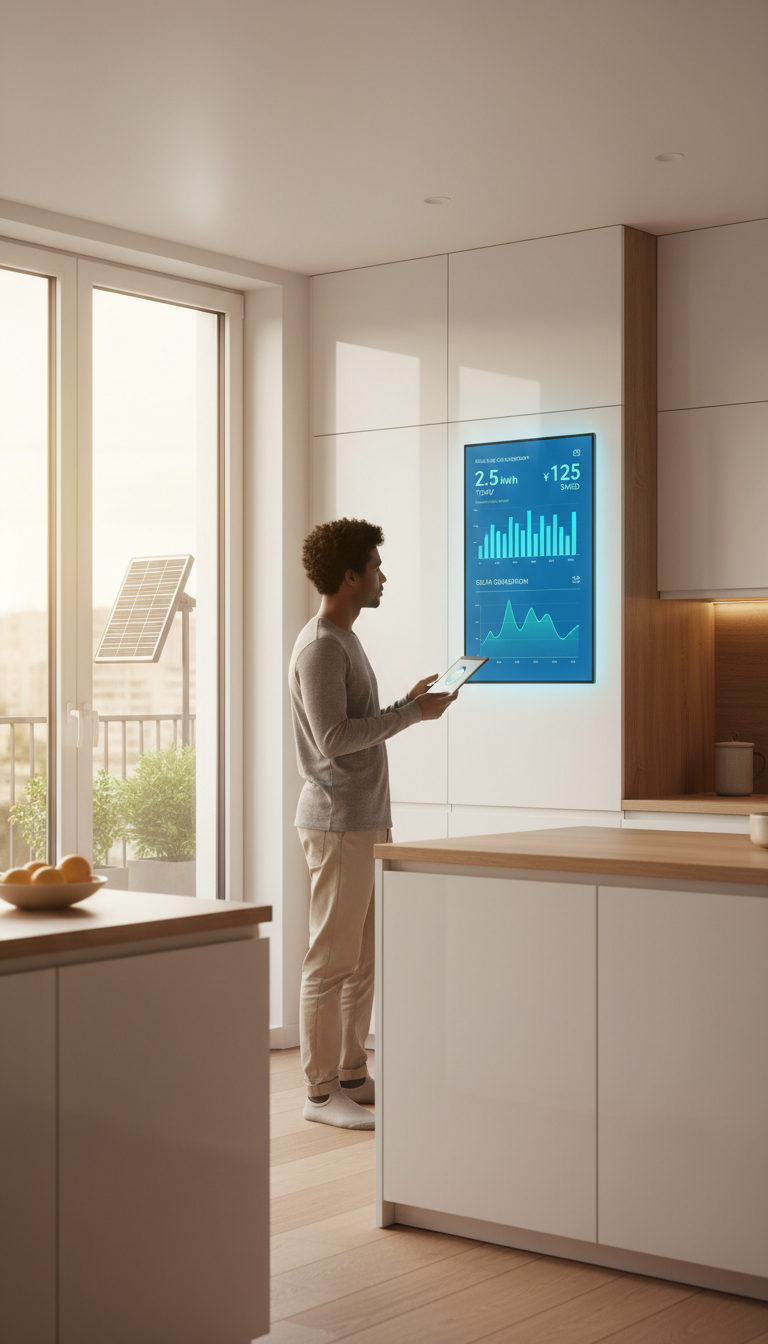
Smart grids also support the concept of distributed energy resources, enabling consumers to generate and store their own electricity. This decentralization of energy production empowers individuals and reduces the strain on traditional power systems.
The Road Ahead
The future of electrification is bright, with numerous innovations on the horizon. Continued advancements in technology, coupled with supportive policies, will drive further adoption across industries. As we embrace these changes, it's important to remain informed and adaptable to fully leverage the benefits of electrification.
Ultimately, the move towards electrification represents a pivotal shift towards a more sustainable and efficient future. By harnessing the power of electricity, we can transform our world for the better, reducing our environmental impact and paving the way for future generations.