The Future of Electrification: Trends and Innovations


The Rise of Electrification
The shift towards electrification is reshaping industries worldwide. As we embrace a sustainable future, the demand for electric solutions is skyrocketing. From transportation to home appliances, electrification is becoming the standard for energy-efficient innovations.
This transformation is driven by the urgent need to reduce carbon emissions and combat climate change. Governments and businesses are investing heavily in electric technologies, setting the stage for a cleaner, greener future.
Transportation Revolution
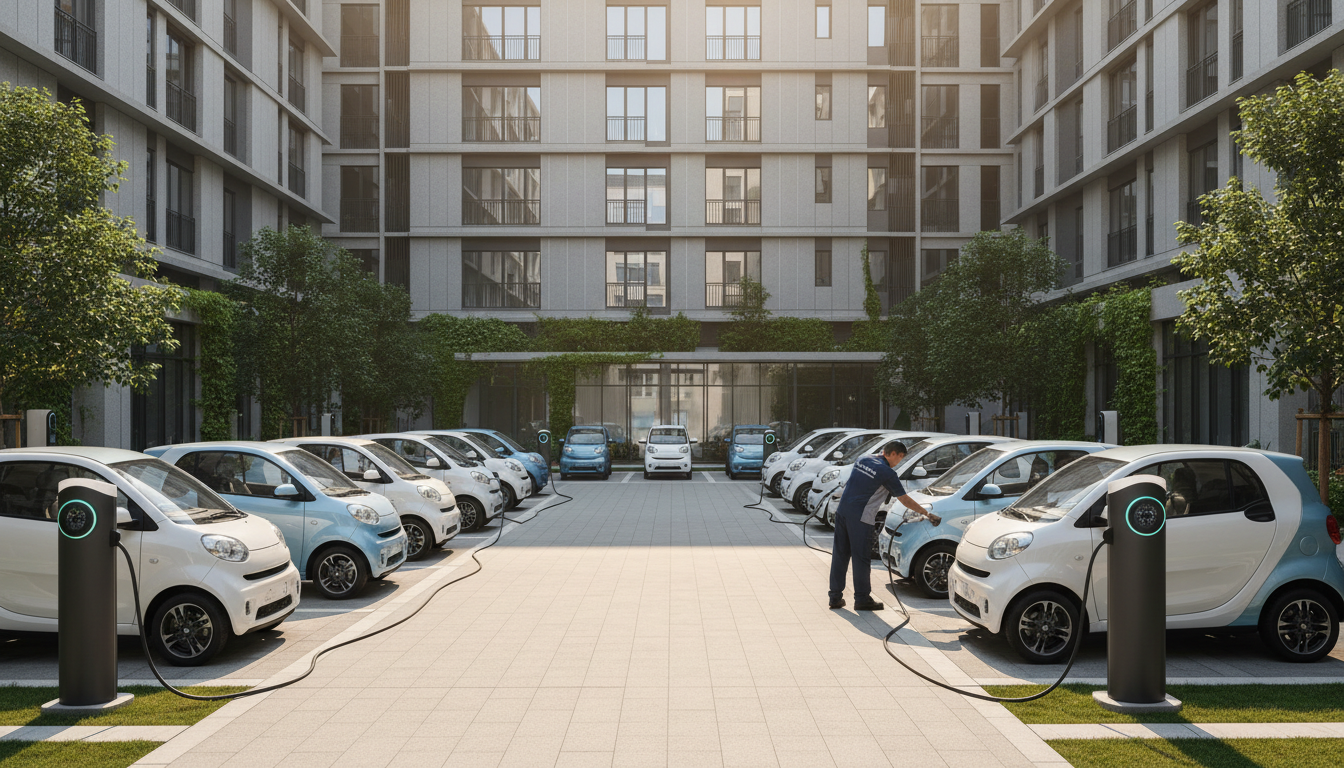
Electric vehicles (EVs) are at the forefront of this revolution. Automakers are racing to develop advanced EV models, with improvements in battery technology leading to longer ranges and shorter charging times. The global adoption of EVs is expected to accelerate, with projections indicating that they will dominate the automotive market within the next decade.
Public transportation is also undergoing electrification. Electric buses and trains are becoming more common in urban areas, offering an eco-friendly alternative to traditional diesel-powered vehicles.

Renewable Energy Integration
The integration of renewable energy sources, such as wind and solar, is crucial for the electrification movement. These sources provide clean electricity that powers various sectors, reducing reliance on fossil fuels. Innovations in energy storage, such as advanced batteries and supercapacitors, are enhancing the efficiency and reliability of renewable energy systems.
Microgrids are another significant development, allowing communities to produce and manage their electricity independently. This decentralization empowers local areas to become energy self-sufficient and resilient to power outages.
Smart Home Technologies
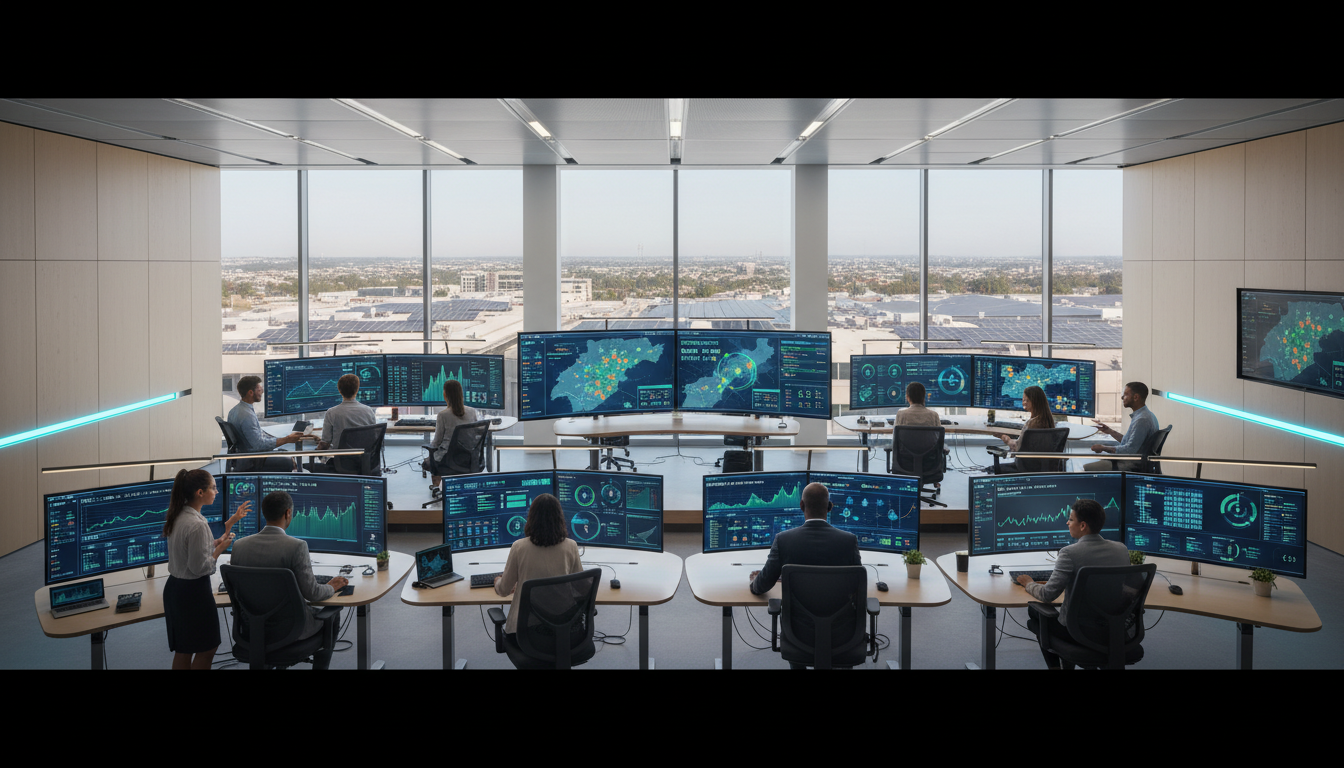
The electrification trend extends to residential spaces with smart home technologies. These innovations enable homeowners to control lighting, heating, and appliances remotely, optimizing energy usage and reducing costs. Smart meters provide real-time data on electricity consumption, encouraging more efficient energy habits.
Home energy management systems are becoming increasingly popular, allowing users to monitor and control their energy usage through integrated apps. This technology not only enhances convenience but also contributes to overall energy savings.
Challenges and Opportunities
While the future of electrification is promising, it is not without challenges. The transition requires significant investment in infrastructure and technology development. Additionally, the demand for critical materials like lithium and cobalt for batteries presents environmental and ethical concerns.
However, these challenges present opportunities for innovation. Researchers are exploring alternative materials and recycling technologies to create sustainable solutions. As the electrification landscape evolves, collaboration between governments, industries, and communities will be essential to overcome these hurdles.

Conclusion
The future of electrification is bright, with transformative trends and innovations paving the way for a sustainable world. As industries adapt and technologies advance, the shift towards electric solutions promises a cleaner, more efficient future for generations to come.
Embracing electrification is not just an environmental imperative but also an economic opportunity, driving growth and creating jobs in emerging sectors. Together, we can power a sustainable future through innovation and collaboration.