The Future of Green Energy in Australia: Trends and Innovations


Australia is at the forefront of the green energy revolution, leveraging its abundant natural resources to spearhead sustainable initiatives. As the world increasingly shifts towards renewable energy, Australia is positioning itself as a leader in this vital sector. In this blog post, we'll explore the current trends and innovations shaping the future of green energy in Australia.
Current Trends in Green Energy
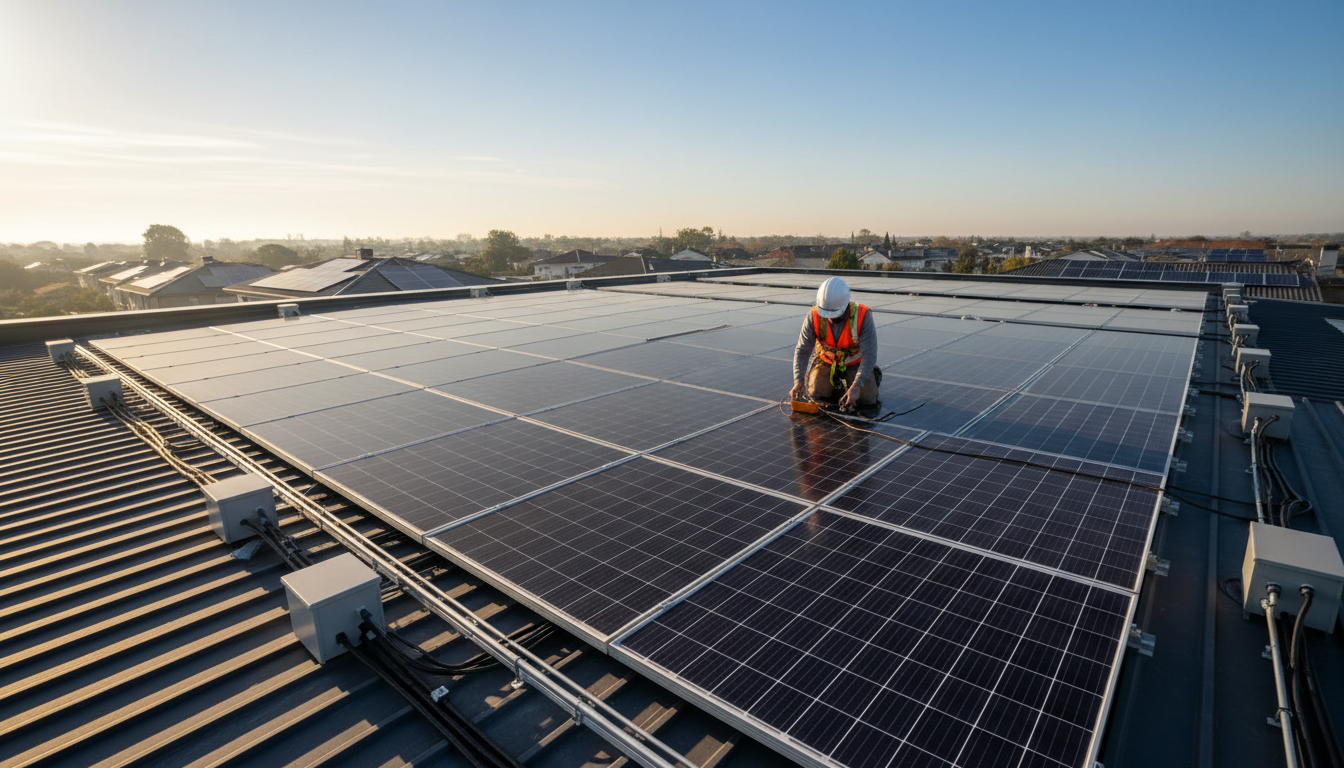
Australia has witnessed a surge in renewable energy projects, with solar and wind power leading the charge. These two sources alone accounted for over 30% of the country's electricity generation in recent years. The decline in technology costs has facilitated this growth, making renewable energy more accessible than ever before.
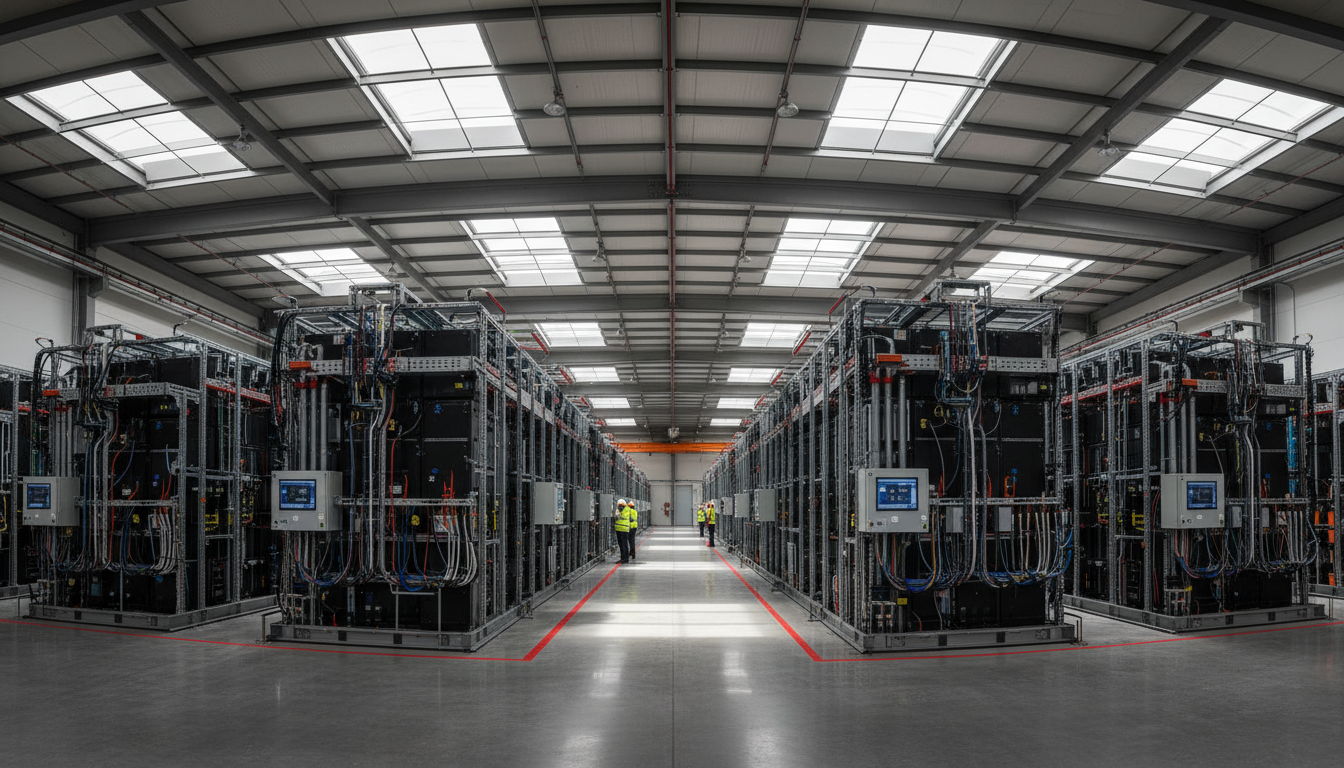
Another emerging trend is the focus on energy storage solutions. As renewable energy production increases, the need for efficient storage systems becomes crucial. Battery technologies, such as lithium-ion and emerging alternatives like solid-state batteries, are gaining traction, ensuring a stable and reliable power supply.
Government Initiatives and Policies
The Australian government plays a pivotal role in promoting green energy through various initiatives and policies. Incentives for renewable energy projects, such as grants and tax breaks, are encouraging private sector investment. The Renewable Energy Target (RET) is a key policy driving the adoption of clean energy technologies.
Additionally, state governments are implementing their own strategies to boost green energy. For instance, South Australia's Virtual Power Plant project aims to connect thousands of homes with solar panels and Tesla Powerwall batteries, creating a large-scale, decentralized energy network.
Innovations in Green Energy
Technological innovations are at the heart of the green energy transformation. Advances in solar technology, such as bifacial solar panels and perovskite solar cells, are enhancing efficiency and reducing costs. These innovations are expected to play a significant role in meeting Australia's growing energy demands.

Wind energy is also benefiting from cutting-edge technologies. The development of taller turbines and offshore wind farms is increasing energy output, while minimizing the environmental impact. The integration of artificial intelligence and machine learning in energy management systems is optimizing performance and reducing operational costs.
Challenges and Opportunities
Despite the significant progress, challenges remain in the transition to a fully green energy system. Grid integration and reliability are key concerns that need addressing. The variability of renewable energy sources requires advancements in grid management and energy storage.
However, these challenges present opportunities for innovation and growth. Investment in research and development is crucial to overcoming these hurdles, and Australia is well-positioned to lead the charge. Collaboration between government, industry, and academia will be essential to drive further advancements.
The Road Ahead
The future of green energy in Australia looks promising, with continued investments and innovations paving the way for a sustainable future. The transition to a low-carbon economy will not only benefit the environment but also create jobs and stimulate economic growth. As Australia embraces these changes, it serves as a model for other countries aiming to achieve similar goals.
In summary, Australia's commitment to green energy is evident in its policies, technological advancements, and investments. By addressing current challenges and seizing opportunities, the country is on track to becoming a global leader in renewable energy. The journey towards a cleaner, greener future is well underway, and Australia's role is pivotal in this transformative era.