Top Myths About Electrification and How to Get Involved


Understanding Electrification: Dispelling Common Myths
Electrification is at the forefront of transforming our energy systems and driving sustainability. However, several myths cloud its potential and progress. In this post, we'll tackle some of these misconceptions and explore how individuals and communities can get involved in the electrification journey.
Myth 1: Electrification Is Too Expensive
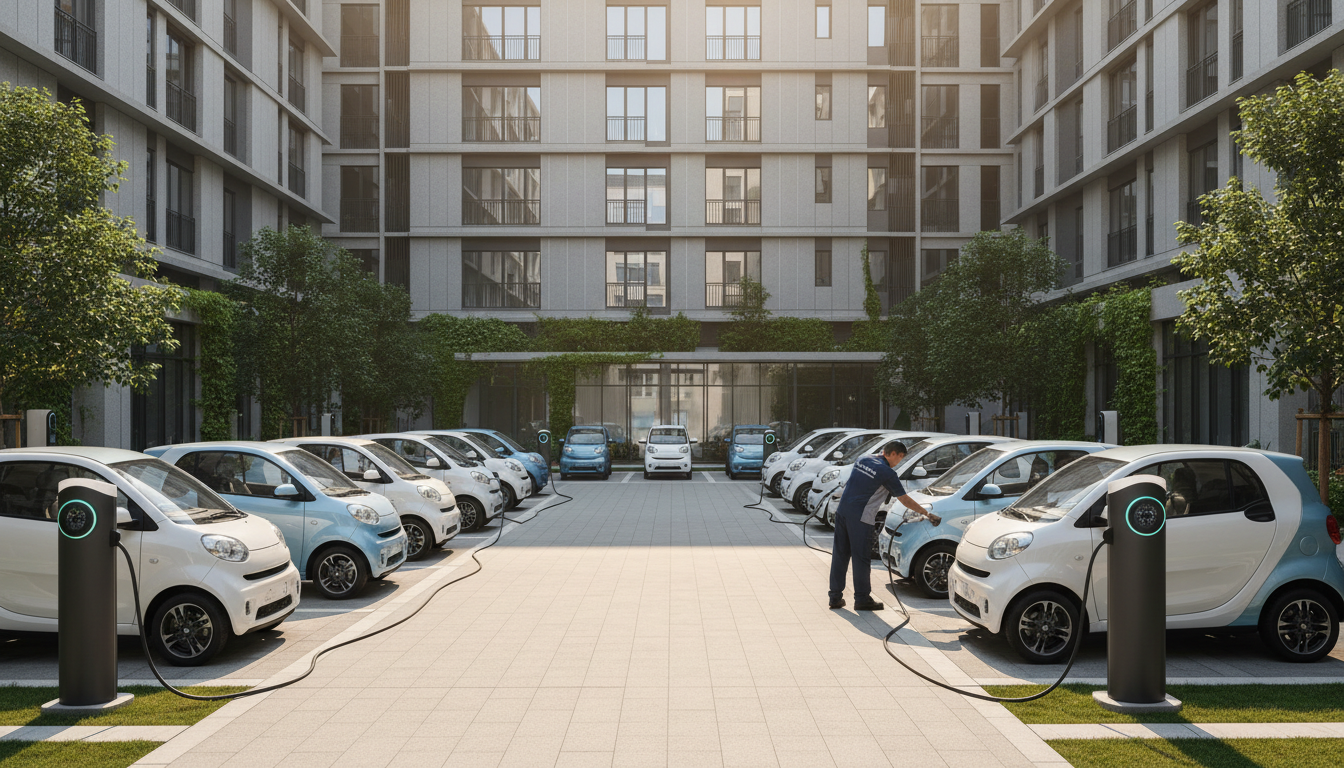
One of the most pervasive myths is that electrification is prohibitively expensive. While initial costs can be higher, the long-term savings and environmental benefits often outweigh these expenses. Innovations and economies of scale are also driving costs down, making electric solutions more accessible.
Investing in electric vehicles (EVs) and renewable energy sources, such as solar panels, can significantly reduce monthly utility bills and maintenance costs. Moreover, government incentives and rebates make the transition more affordable.
Myth 2: Electric Vehicles Lack Range
Concerns about the range of electric vehicles are common, yet advancements in battery technology are rapidly extending the distances EVs can travel. Many modern electric cars now have ranges comparable to traditional vehicles, making them suitable for daily commutes and long-distance travel.
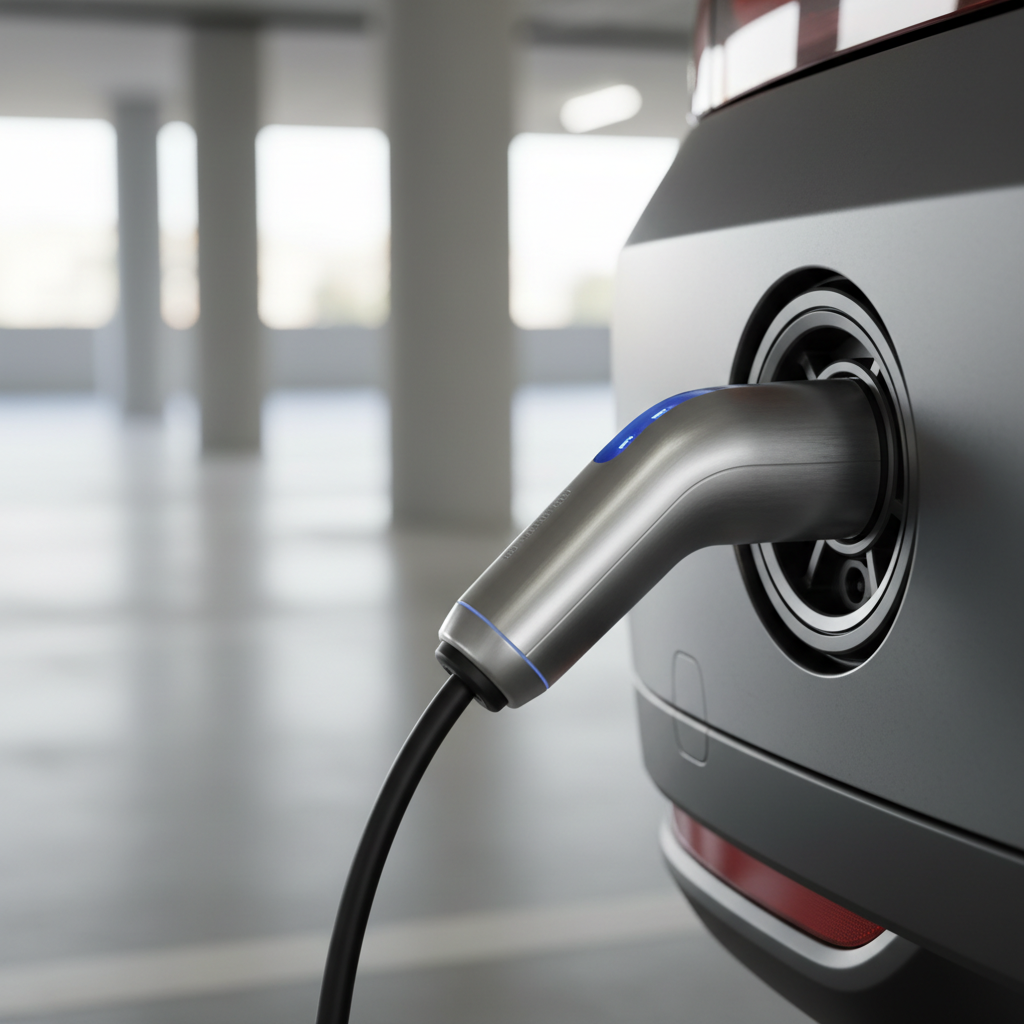
Furthermore, the expansion of charging infrastructure ensures that recharging is convenient and accessible. With increasing numbers of fast-charging stations, drivers can easily find spots to power up during trips.
Myth 3: Electrification Is Only for Urban Areas
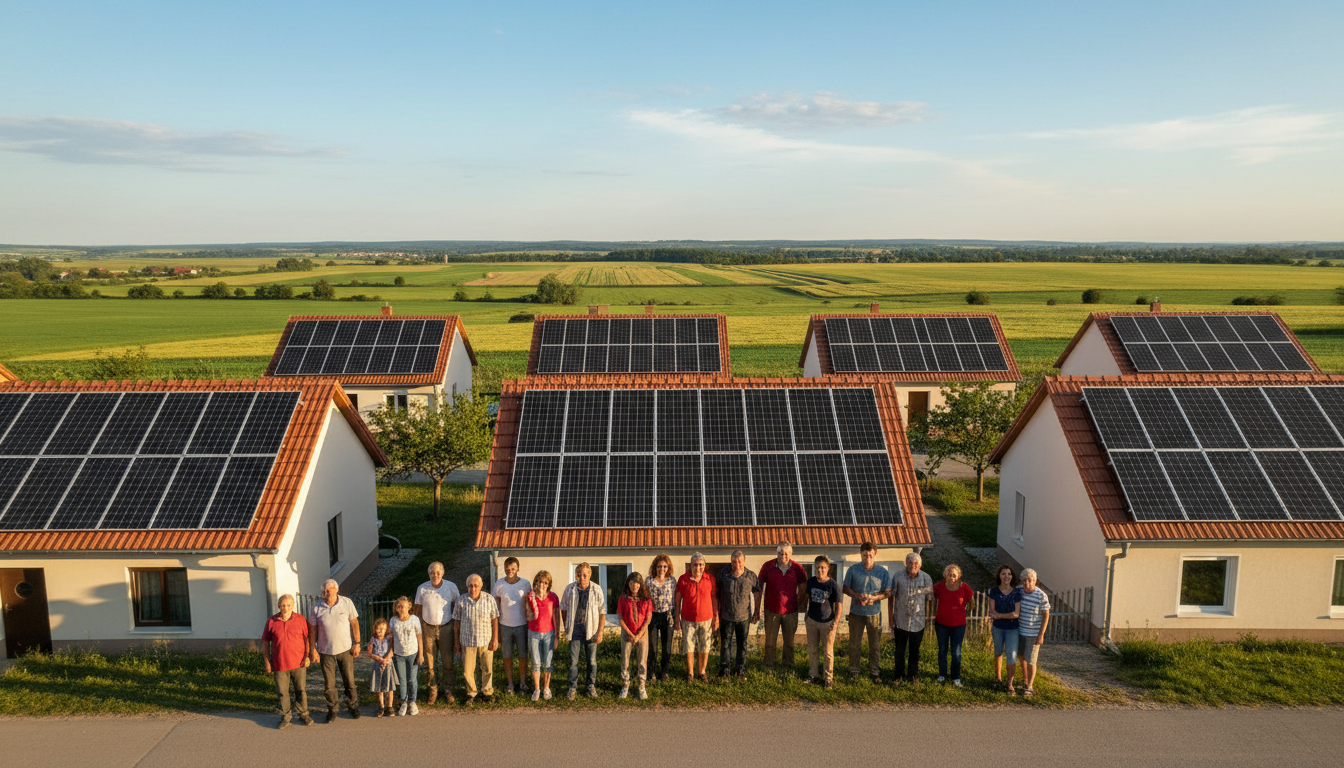
Electrification is often perceived as a trend limited to urban centers. However, rural areas stand to gain significantly from electrification, particularly in terms of energy independence and economic development. By adopting renewable energy sources, rural communities can reduce reliance on centralized power grids.
Programs supporting rural electrification are expanding, providing opportunities for these areas to integrate sustainable energy solutions tailored to their unique needs.
Getting Involved in the Electrification Movement
Start Small with Personal Choices
Individuals can begin their electrification journey by making small, impactful changes. Consider switching to energy-efficient appliances, using public transport, or investing in an electric vehicle. Every step counts in reducing your carbon footprint.
Advocate and Educate
Engaging in community initiatives and advocating for policy changes can drive broader electrification efforts. Educate yourself and others about the benefits and feasibility of electrification to build a supportive network. Participating in local discussions and forums can amplify your voice and influence.
Support Innovations and Businesses
Supporting companies and startups that focus on electric solutions fosters innovation and market growth. By choosing products and services from such businesses, you contribute to the demand and development of sustainable technologies.
Electrification is not just a technological shift; it's a cultural and societal transformation. Dispelling myths and embracing the change can lead to a more sustainable and equitable future for all.