Why Electrification is the Future of Sustainable Living in Australia


Understanding Electrification
Electrification is rapidly emerging as a cornerstone of sustainable living in Australia. By replacing fossil fuels with electricity generated from renewable sources, we can significantly reduce carbon emissions and foster a more sustainable environment. The transition to electrification is not just about energy efficiency; it's about creating a more resilient and eco-friendly future.
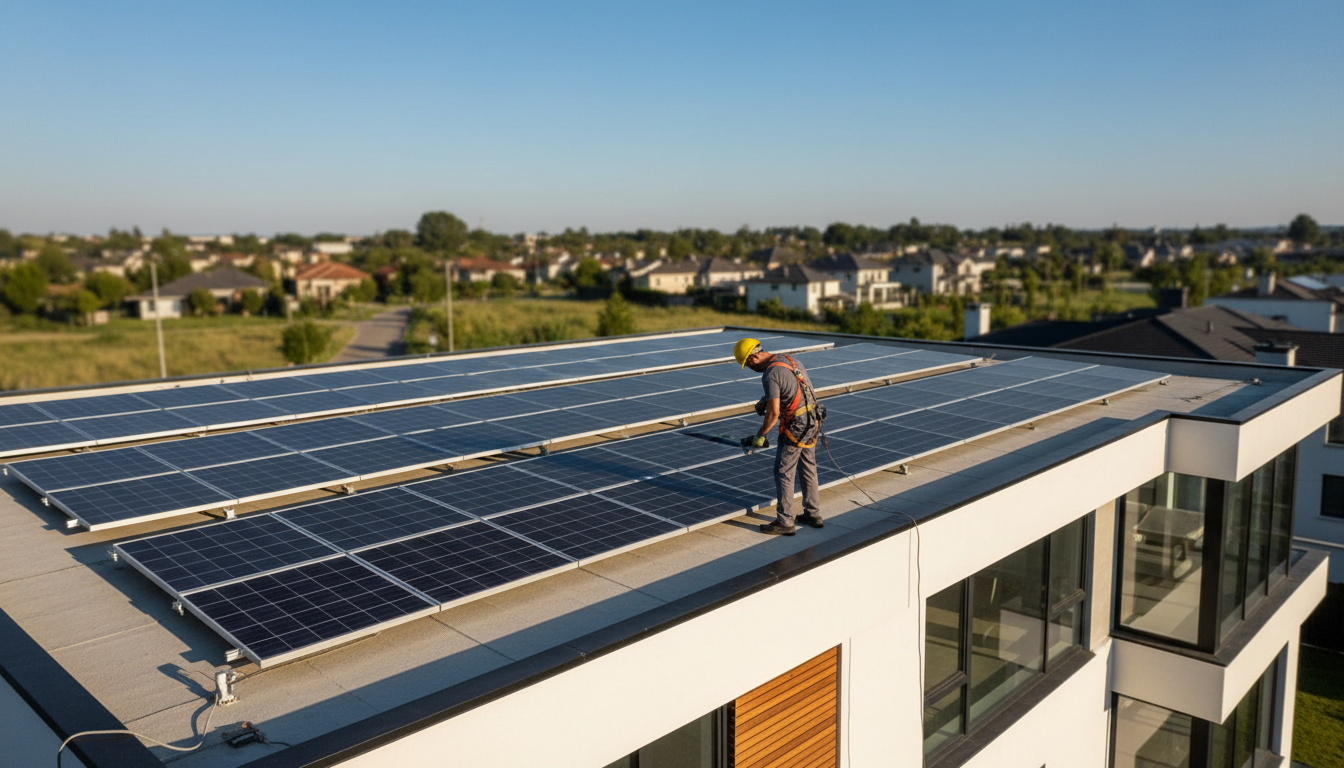
Australia, with its abundant natural resources, is poised to become a leader in this movement. Solar and wind power are at the forefront, offering clean and renewable energy solutions that are increasingly accessible and affordable. This shift is not only vital for the environment but also offers economic opportunities through new industries and job creation.
The Benefits of Electrification
Environmental Impact
The primary advantage of electrification is its potential to drastically cut greenhouse gas emissions. As more sectors switch from fossil fuels to electrical power, the reliance on coal and oil diminishes. This transition is crucial in mitigating climate change and protecting Australia's diverse ecosystems.
Economic Opportunities
Electrification presents numerous economic benefits. By investing in renewable energy infrastructure, Australia can boost its economy through job creation and technological innovation. Additionally, reducing dependence on imported fuels enhances energy security and price stability.

Applications in Daily Life
Transportation
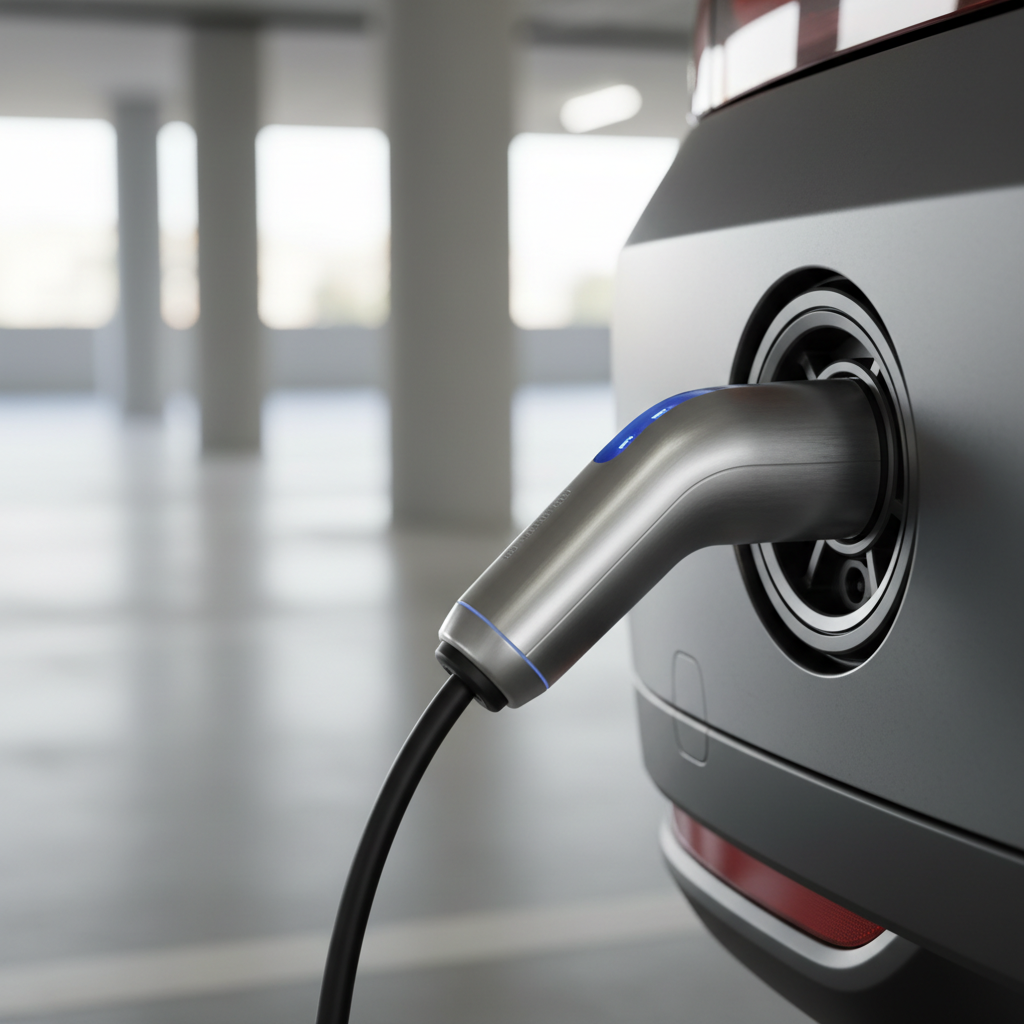
The shift towards electric vehicles (EVs) is a significant step in electrification. EVs produce zero tailpipe emissions, making them an eco-friendly alternative to conventional vehicles. With advancements in battery technology, EVs are becoming more affordable and practical for everyday use.
Home and Industry
In homes and industries, electrification means utilizing electric appliances and machinery over gas-powered alternatives. This includes electric heating, cooking, and industrial processes. Such changes not only reduce emissions but also improve air quality and public health.
Challenges and Solutions
While the benefits of electrification are clear, the transition is not without challenges. Infrastructure development, such as upgrading the electrical grid and installing EV charging stations, requires significant investment and planning. Moreover, ensuring a stable supply of renewable energy is critical.
Solutions include government incentives, public-private partnerships, and continuous research and development. By fostering collaboration among stakeholders, Australia can accelerate its electrification journey and overcome these hurdles.

The Path Forward
To achieve a sustainable future, Australia must continue to embrace electrification across all sectors. Public awareness and education are key, encouraging individuals and businesses to adopt electric solutions. Incentive programs and supportive policies can further drive this transition.
As technology evolves, the potential for electrification to revolutionize the way we live and work becomes increasingly tangible. By committing to this path, Australia can secure a greener, more sustainable future for generations to come.