Your Guide to Reducing Carbon Emissions at Home in Victoria


Understanding Your Carbon Footprint
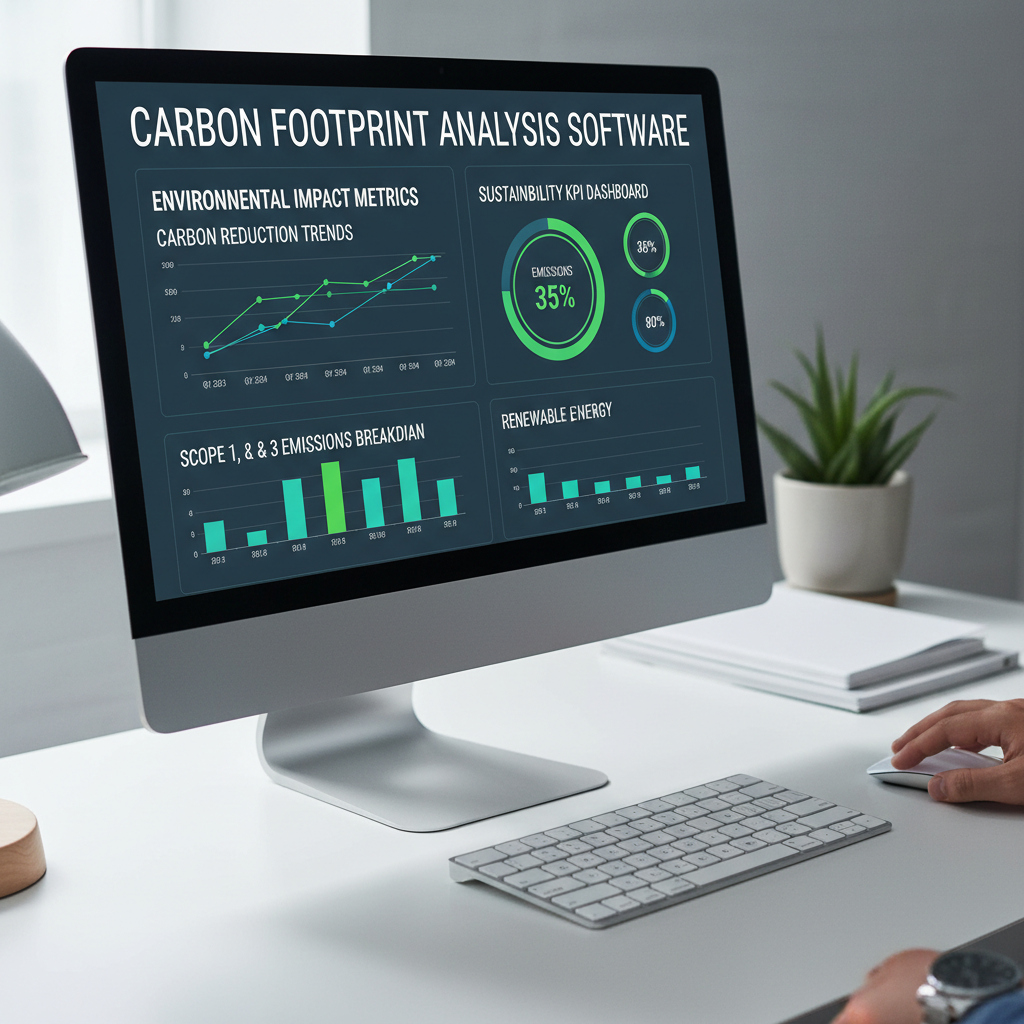
Reducing carbon emissions at home is a vital step towards combating climate change. In Victoria, where the community is increasingly aware of environmental impacts, taking small actions can lead to significant changes. Understanding your carbon footprint is the first step. A carbon footprint measures the total greenhouse gases emitted by your daily activities, often expressed in equivalent tons of carbon dioxide (CO2).
Energy Efficiency at Home
One of the most effective ways to reduce carbon emissions is by improving energy efficiency. Consider upgrading to energy-efficient appliances, which use less electricity and can lead to substantial savings on your energy bills. Additionally, using LED light bulbs instead of traditional incandescent ones can significantly cut down your electricity usage.
Insulation and Heating
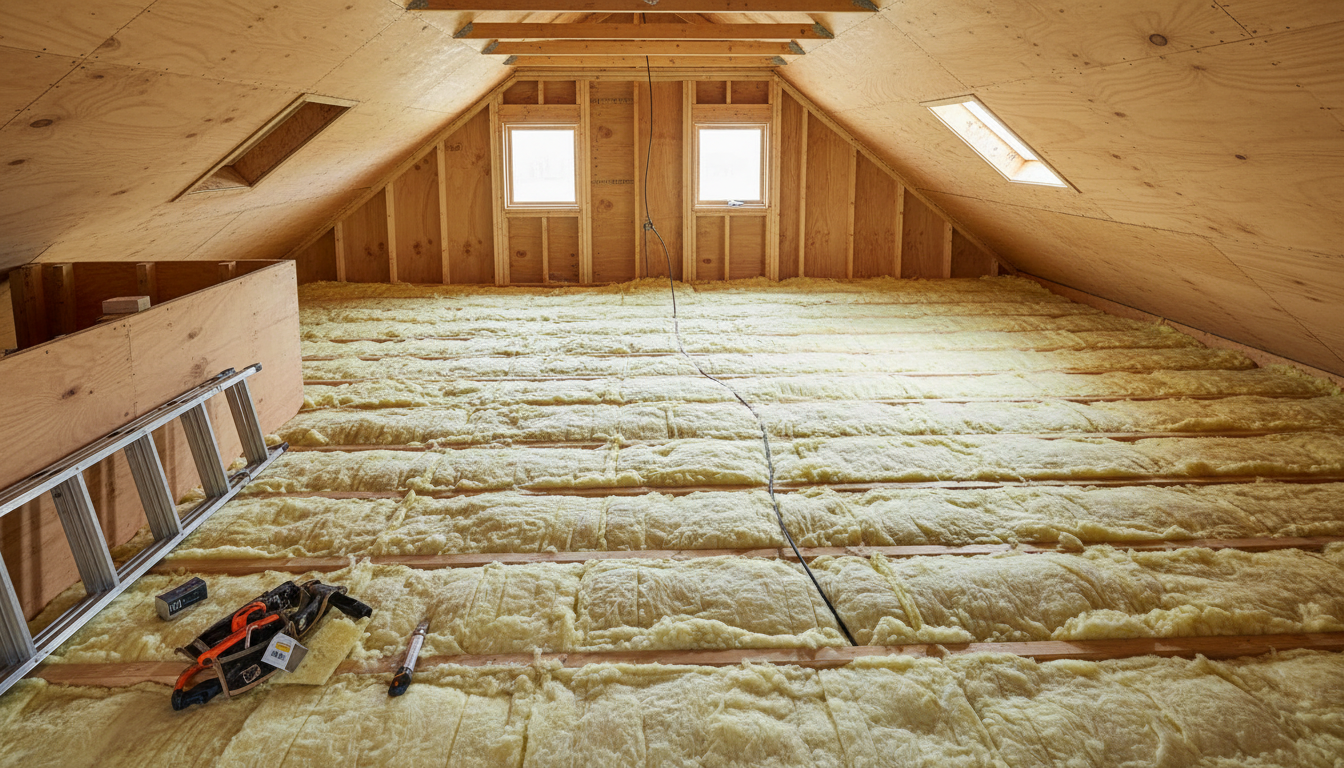
Proper insulation in your home can greatly reduce the need for heating and cooling, thereby reducing emissions. In Victoria's cooler months, ensure that your home is well-insulated to keep the warmth in. This not only makes your home more comfortable but also reduces the energy required for heating.
Renewable Energy Options
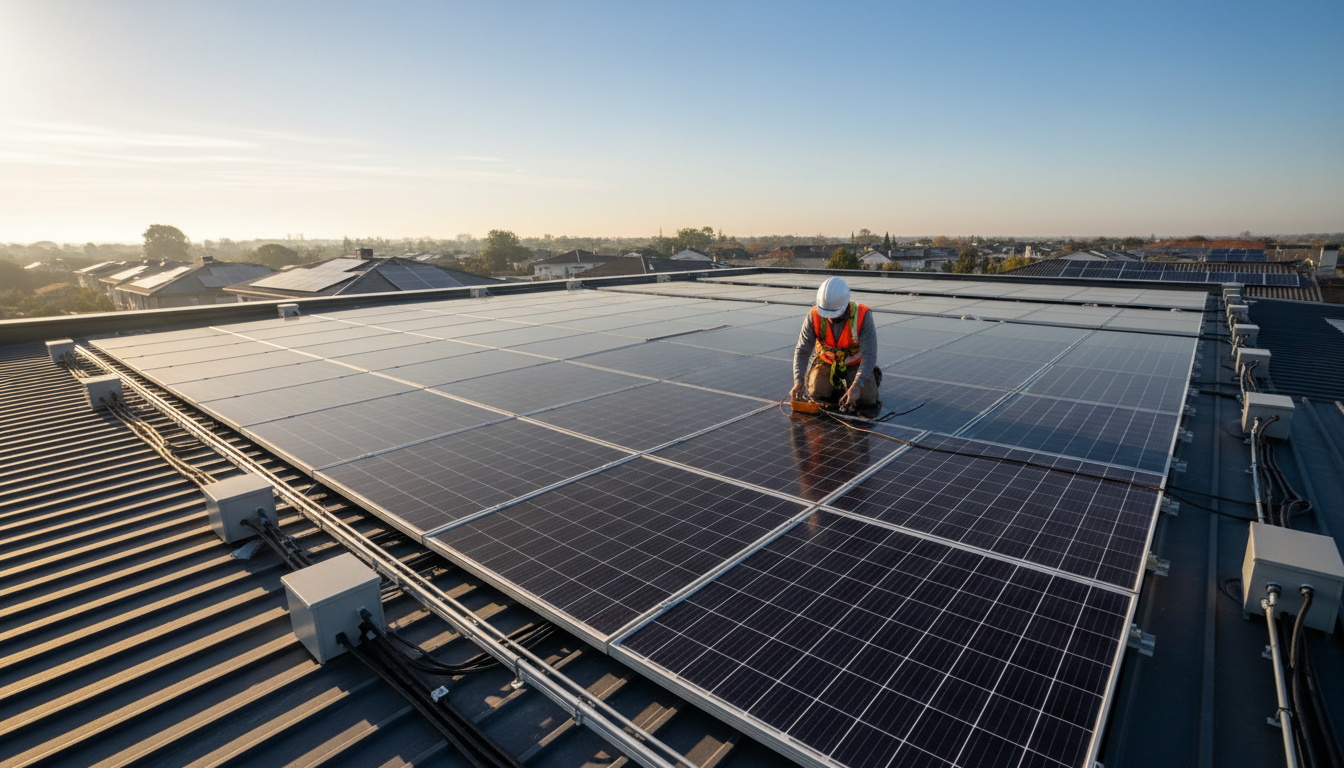
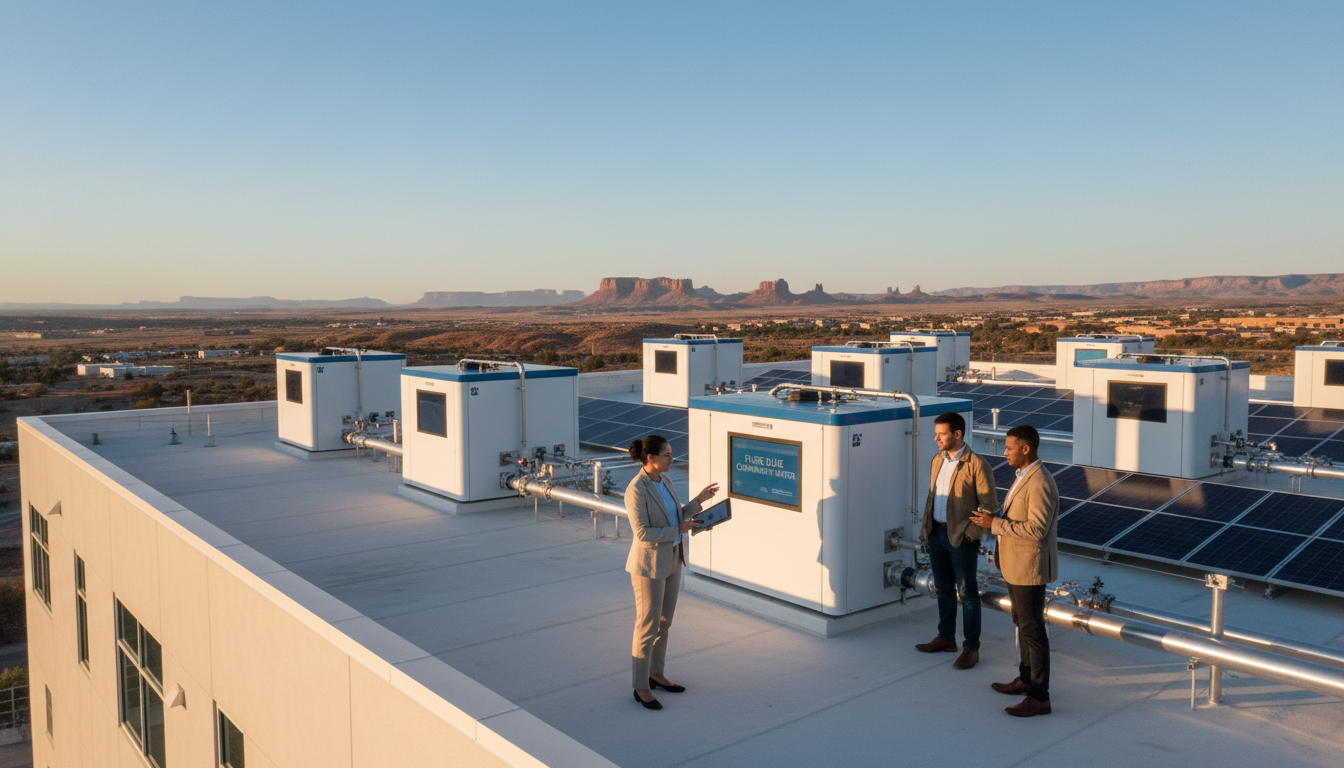
Switching to renewable energy sources is another powerful way to cut carbon emissions. Solar panels are an excellent option for Victoria residents, providing a sustainable and cost-effective energy source. Many government incentives are available to help offset the initial installation costs, making it more accessible for homeowners.
Green Power Programs
Consider enrolling in green power programs offered by your energy provider. These programs allow you to support renewable energy projects indirectly by purchasing a portion of your electricity from sustainable sources. It's an easy way to make a positive impact without significant changes to your home.
Water Conservation Techniques
Water usage contributes to carbon emissions, especially in areas where water is scarce. Simple measures, such as fixing leaks, installing low-flow showerheads, and using water-efficient appliances, can lead to significant water savings. In Victoria, where water conservation is crucial, these practices help preserve local resources and reduce emissions associated with water treatment and transportation.
Rainwater Harvesting
Implementing a rainwater harvesting system can further reduce your reliance on municipal water supplies. By collecting rainwater for gardening or non-potable uses, you can decrease the demand on local water resources and lower the energy required for water processing.
Reducing Waste
Waste reduction is another key area for reducing carbon emissions. Implementing practices such as composting, recycling, and minimizing food waste can significantly lower the emissions associated with waste management. In Victoria, many communities support composting initiatives, making it easier to get started.
Sustainable Purchasing
Lastly, consider the impact of your purchasing habits. Opt for products with minimal packaging, buy locally-produced goods, and choose sustainable materials whenever possible. These choices can reduce the carbon emissions associated with production and transportation.
By adopting these strategies, you can make a meaningful difference in reducing your carbon emissions at home. Every small action contributes to a larger impact, helping to protect Victoria's environment for future generations.